
REVIEW · LJUBLJANA TOURS & DAY TRIPS
Introduction to the Specialty Coffee world in Ljubljana
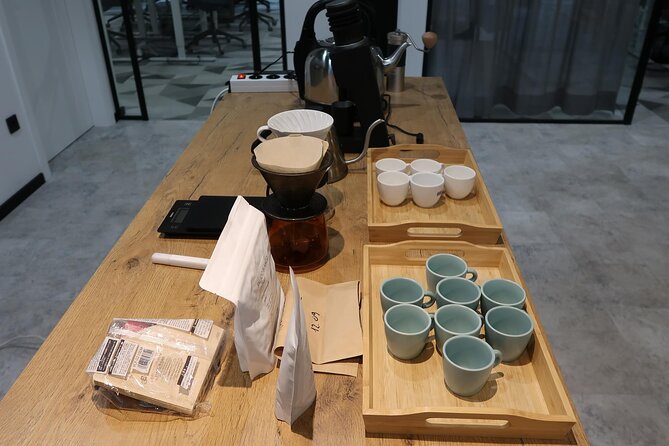
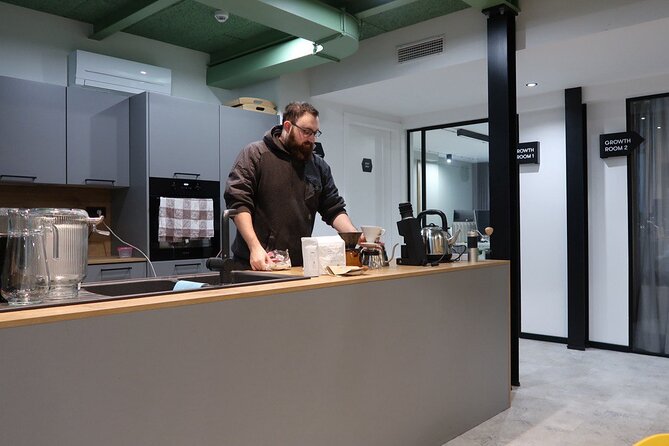
Espresso learning in Ljubljana, without fuss. This hands-on specialty coffee workshop focuses on what makes coffee taste good, from production quirks to pulling a proper shot and making classic drinks. You get locally freshly roasted specialty coffee plus instruction from Lev and Andrew, a team tied to an Authorized SCA Trainer and a Slovene Coffee Degustation Champion.
I love that it is not just talk, you actually learn how coffee is made and how to make it in your cup. I also like the pay-it-forward feeling of getting to take home the coffee you liked most, so you can keep using what you learned later. One possible drawback: if you want lots of big, world-wide roast samples from every corner of the globe, the coffee lineup may feel a bit limited in variety.
In This Review
- Key Highlights You Will Notice Fast
- Specialty Coffee in Ljubljana: What Makes This Workshop Worth 3 Hours
- Meeting Point and Start Time at Dunajska c. 61
- The Coffee Profi Team: Lev and Andrew, SCA Trainer Energy
- Coffee Production and Processing: The Flavor Changes You Can Actually Taste
- Specialty vs Commercial: How to Stop Guessing When You Order
- Locally Freshly Roasted Specialty Coffee Tasting That Teaches Your Tongue
- Espresso and Cappuccino Masterclass: What You Learn, and Why It Works at Home
- Snacks and Coffee Options: Small, Helpful, Not a Meal
- Take Home Your Favorite Coffee: Turning Learning Into a Habit
- Price and Value: How $57.88 Adds Up for a Hands-On Class
- Who This Workshop Suits Best, and Who Might Prefer Something Else
- Should You Book This Specialty Coffee and Espresso Workshop in Ljubljana?
- FAQ
- How long is the Ljubljana specialty coffee and espresso workshop?
- What is included in the price?
- Do I get to take coffee home?
- Where does the workshop start?
- Is the workshop open to kids or under 18?
- Can I cancel for a full refund?
Key Highlights You Will Notice Fast
- SCA-level focus on how espresso works, not just coffee tasting
- Locally roasted specialty coffee only, so the flavor story stays consistent
- Processing method comparisons, so you can taste how processing changes the cup
- Hands-on practice for espresso and espresso-based classics, like cappuccino
- Take-home coffee as a compliment, chosen from what you taste
- Private workshop format, tailored to your group pace in a top Ljubljana coffee shop
More of the capital, and the day trips that leave from it
- Ljubljana: Postojna Cave & Predjama Castle Tickets and Tour★ 4.9 · 2,146 reviews
- Ljubljana: Castle Entry Ticket with Optional Funicular Ride★ 4.3 · 718 reviews
- From Ljubljana: Lake Bled & Postojna Cave with Entry Tickets★ 4.8 · 694 reviews
- From Ljubljana: Guided Day Tour to Soča and Kranjska Gora★ 4.9 · 584 reviews
Specialty Coffee in Ljubljana: What Makes This Workshop Worth 3 Hours
Ljubljana is a great place to learn coffee, because the city has enough caffeine culture to support real skill building. This workshop works because it mixes education with technique. You start with the big picture, then you shrink it down to what matters at the counter: grind, extraction, milk, and taste.
What you are buying at about $57.88 per person is not just a tasting flight. You are paying for a structured experience that includes locally roasted specialty coffee, snacks, and guided practice that can actually follow you home. Reviews back this up with one clear theme: people left feeling they could repeat the results the next day.
The other thing I appreciate is the tone. It is friendly, hands-on, and practical. No confusing jargon for the sake of jargon. If you asked a coffee question and expected a straight answer, this kind of class tends to deliver.
Meeting Point and Start Time at Dunajska c. 61
The workshop starts at Dunajska c. 61 at 11:00 am and ends back at the meeting point. The shop is near public transportation, which matters in Ljubljana because it helps you avoid turning your coffee morning into a logistics project.
It is also a private tour/activity. That means your group is the only group in the experience, which usually creates room for more questions and faster feedback when you are trying to pull espresso and make espresso-based drinks.
The Coffee Profi Team: Lev and Andrew, SCA Trainer Energy
This is hosted by a coffee professional setup that includes an Authorized SCA Trainer and a Slovene Coffee Degustation Champion. In the practical world, that usually means two things. First, you get someone who can explain why coffee tastes the way it does. Second, you get someone who can correct your technique, not just applaud your enthusiasm.
Lev and Andrew show up in the reviews as the leaders people remember. One review even credits them with helping someone improve at home quickly. That is what you want from a workshop, especially if you plan to order espresso on vacation and also recreate it later.
Coffee Production and Processing: The Flavor Changes You Can Actually Taste
The heart of the class is how coffee gets from farm to cup. You will learn about how coffee is produced and processed, and why the difference shows up in your cup.
Here is why that matters to you: processing is not just an industry term. It is a set of choices that affects fermentation, drying, and overall flavor development. When you taste coffees with different processing methods side by side, you start noticing patterns. You may find one coffee feels brighter, another feels heavier or more caramel-like, and another shows more complexity once the temperature settles.
Reviews mention comparing different rare processing methods, and that points to a real skill being taught: tasting with intention. You learn how to ask, what changed, and why does it taste different.
You also learn the difference between specialty and commercial coffee. That comparison is useful because it gives you a decision framework. Even if you never become a coffee nerd, you can still shop smarter. Specialty tends to mean tighter sourcing and higher quality standards, while commercial is often built for consistency at scale. The goal is not to shame either, it is to help you know what you are paying for.
Slovenia takes its coffee seriously

Specialty vs Commercial: How to Stop Guessing When You Order
Once you understand the specialty versus commercial difference, your coffee orders get easier. You start to recognize that price is not the only signal. Roaster intent matters, bean selection matters, and how carefully a coffee is treated from green bean to roast matters too.
This workshop helps you connect those dots in a simple way: when you know what makes specialty coffee specialty, you become more confident ordering it. You also stop treating every espresso as the same category. Instead, you learn to expect variation in flavor and balance.
And yes, you can still enjoy coffee without memorizing a textbook. The class keeps it practical: taste, compare, learn.
Locally Freshly Roasted Specialty Coffee Tasting That Teaches Your Tongue
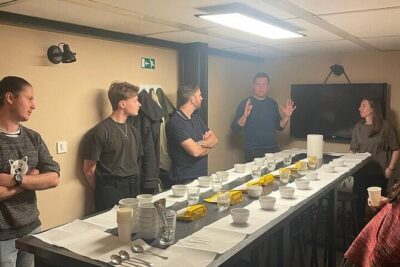
You will try only locally roasted specialty coffee, and the tasting is the part that sticks with people. That is partly because it is fresh and partly because it is guided. You are not just handed a cup and left to interpret it alone.
One review called the tasting interesting and highlighted the comparison of processing methods. Another review praised the amount of useful information and communication. Taken together, that suggests the tasting is structured so you are learning as you sip.
A practical tip for you: pace yourself. Do not rush every sample like it is a race. Specialty coffee often changes noticeably as it cools. If you take small pauses and taste again, you will notice more than you would at full speed.
And one honest note from a review: someone wanted more diversity, specifically coffee from Asia. If you are hoping for a huge global showcase, know that the focus here is local roasting and education first. That is not a bad thing, it just shapes the variety you will get.
Espresso and Cappuccino Masterclass: What You Learn, and Why It Works at Home
The workshop teaches you how to make espresso and espresso-based beverages like cappuccino. This is where the value really hits, because you leave with a repeatable mental model.
Even without fancy equipment talk, you can still learn the core idea: espresso is a timed extraction. Your grind, your dose, and your technique influence what ends up in the cup. When you get coaching in real time, it becomes less mysterious and more mechanical.
Then comes milk for cappuccino. In most espresso classes, milk is where people either level up or give up, because it is both technique and texture. You learn how to build the drink so the espresso and milk behave like they belong together.
What I like about this part is the way it connects to buying coffee later. After learning how espresso is made, you can taste whether a drink is too bitter, too sour, or just balanced. That means your orders get smarter, even when you are not making coffee yourself.
One review basically said the class helped them the very next day, and that the coffee at home tasted better after applying techniques. That is the best kind of feedback, because it suggests the workshop teaches transferable skills, not just a fun afternoon.
Snacks and Coffee Options: Small, Helpful, Not a Meal
Included in the workshop are coffee and/or tea plus snacks. That is enough to keep your energy steady during a 3-hour session, especially while you are tasting and making drinks.
Just do not treat this as lunch. If you arrive hungry, you will probably want a snack before you go. Your best bet is to plan a normal morning routine so the workshop stays focused and comfortable.
Take Home Your Favorite Coffee: Turning Learning Into a Habit
One standout promise is that you can take the coffee you liked most with you as a compliment. That changes the whole usefulness of the experience. Many coffee tastings end with better taste memories, then you forget what you liked and you go back to your routine.
Here, you can repeat your own tasting at home. You can also use the coffee as a test. Brew it, compare it to what you tasted during the workshop, and see if your technique improved.
Price and Value: How $57.88 Adds Up for a Hands-On Class
At $57.88 per person for roughly 3 hours, the price makes sense if you care about both learning and practice.
You get:
- Specialty coffee tasting and tea options
- Snacks
- Instruction led by professionals connected to SCA training
- Hands-on making of espresso and espresso-based drinks
- A take-home bag of the coffee you liked most
That is a solid bundle. If you only wanted coffee tasting, you could probably find tastings elsewhere for less. But this is the difference: you are not just consuming, you are learning technique you can apply at home.
Who This Workshop Suits Best, and Who Might Prefer Something Else
This workshop is a great fit if:
- You love coffee and want real technique, not just sampling
- You want to understand how processing and production affect flavor
- You plan to order espresso at cafés and want a better eye and tongue for quality
- You like classes led by real coffee professionals
It might be less ideal if:
- You want a huge global flight of coffees from many regions and processing styles
- You only want a quick caffeine stop and zero structure
One detail helps you decide quickly: the focus is specialty, locally roasted coffee plus espresso skills. If that matches your goal, you will likely enjoy it a lot.
Should You Book This Specialty Coffee and Espresso Workshop in Ljubljana?
I think you should book if you want a coffee experience that is practical and repeatable. The combination of guided tasting, a clear explanation of specialty versus commercial, and hands-on espresso and cappuccino instruction is the sweet spot. The take-home bag of your favorite coffee is also a smart move, because it helps you keep learning after you leave the shop.
If you are chasing variety first, you may wish for more global range. But if you are here to understand coffee better, and to improve your cup at home, this workshop earns its place in your Ljubljana plans.
FAQ
How long is the Ljubljana specialty coffee and espresso workshop?
It lasts about 3 hours.
What is included in the price?
Coffee and/or tea, plus snacks, are included.
Do I get to take coffee home?
Yes. You can take home the coffee you liked most as a compliment.
Where does the workshop start?
It starts at Dunajska c. 61, 1000 Ljubljana, Slovenia.
Is the workshop open to kids or under 18?
There is no age limit for drinking coffee, but people over 18 are accepted for the coffee-related workshops.
Can I cancel for a full refund?
Free cancellation is available. You can cancel up to 24 hours in advance of the experience start time for a full refund.
More Slovenian Coffee Sessions

Every Slovenia Tour We Have Reviewed
Ljubljana Tours and Day Trips We Have Rated
Recently added to our Slovenia write-ups
- Woop! Fun park with 21 attractions
★ 4.6 · 3 reviews - Private Zagreb Tour from Ljubljana
★ 4.5 · 3 reviews - The Deadly Walk – Ljubljana Cemetery Tour
★ 5.0 · 3 reviews - Postojna Cave and Predjama Castle Tour from Ljubljana
★ 5.0 · 3 reviews - Postojna Caves and Predjama Castle. Private trip.
★ 4.5 · 3 reviews - Introduction to the Specialty Coffee world in Ljubljana
★ 5.0 · 3 reviews
Ljubljana Tours & Day Trips, side by side.
 ★ 4.9Ljubljana: Postojna Cave & Predjama Castle Tickets and TourFrom $1152,146 reviews
 ★ 4.9Ljubljana: Savica Waterfall, Lake Bohinj, and Lake Bled TourFrom $941,015 reviews
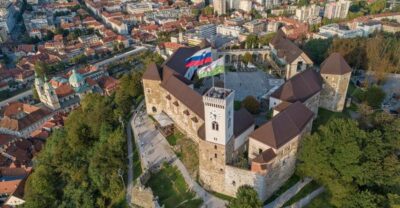 ★ 4.3Ljubljana: Castle Entry Ticket with Optional Funicular RideFrom $17718 reviews
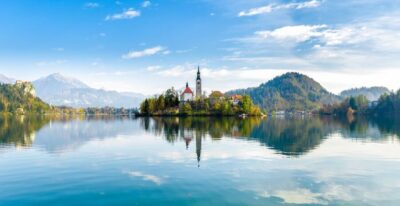 ★ 4.8From Ljubljana: Lake Bled & Postojna Cave with Entry TicketsFrom $173694 reviews
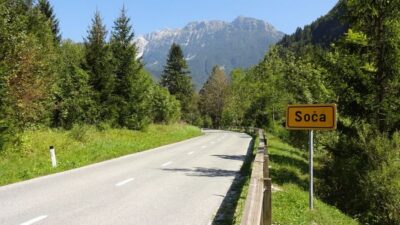 ★ 4.9From Ljubljana: Guided Day Tour to Soča and Kranjska GoraFrom $115584 reviews
 ★ 4.6Ljubljana: Guided Walk & Funicular Ride to Ljubljana CastleFrom $23576 reviews
 ★ 4.5House of Illusions Ljubljana Entrance TicketFrom $16556 reviews
 ★ 4.5Pub Crawl LjubljanaFrom $25536 reviews
Also filed under