
REVIEW · LJUBLJANA TOURS & DAY TRIPS
Coffee Sensory Training in Ljubljana
A serious coffee course can feel like a cheat code. In Ljubljana, you train your senses to spot flavor and aroma differences, then test for the Specialty Coffee Certificate CSP Sensory Skills Foundation. What I like most is the hands-on tasting calibration and the fact you end with a real, recognized sensory certificate. The main catch to plan for is the sheer amount of coffee involved, which can be strong if you are sensitive to caffeine.
This is a private, English-language session starting at 10:00 am near Dunajska c. 61. You will also get bottled water and snacks, but there is no lunch included, so you should eat before you go and pace yourself during the tastings. Your guide, Lev, is repeatedly praised for clear explanations and an engaging style that keeps the whole process friendly, not snooty.
In This Review
- Key highlights you will actually care about
- Coffee sensory training in Ljubljana: what the day is really about
- From 10:00 am to about 7 hours: a realistic look at the flow
- Calibrating your palate: basic tastes you can learn to recognize
- Aroma training: the part that turns sniffing into a skill
- Evaluating like a pro: how the tastings actually build confidence
- The theory and practical exam: what you are working toward
- How much coffee you will taste, and how to avoid the caffeine trap
- Price and value: is $355.04 per person worth it?
- Who should book this course in Ljubljana
- Logistics that make the day easier
- Should you book? My honest recommendation
- FAQ
- How long is the coffee sensory training in Ljubljana?
- What time does it start?
- Where is the meeting point?
- Is the session offered in English?
- Is this a private tour?
- What is included in the price?
- Is lunch included?
- Do you need to be a certain age?
- What certificate do I earn?
- Can I cancel for a refund?
Key highlights you will actually care about
- CSP Sensory Skills Foundation certificate exam included
- Taste calibration for basic tastes and coffee aroma identification
- Instructor Lev, known for expert, passion-driven coaching
- Lots of tasting practice, with guidance to evaluate like a pro
- Coffee and/or tea, plus bottled water and snacks, are provided
- Private format, so your group stays together during the training
More of the capital, and the day trips that leave from it
- Ljubljana: Postojna Cave & Predjama Castle Tickets and Tour★ 4.9 · 2,146 reviews
- Ljubljana: Castle Entry Ticket with Optional Funicular Ride★ 4.3 · 718 reviews
- From Ljubljana: Lake Bled & Postojna Cave with Entry Tickets★ 4.8 · 694 reviews
- From Ljubljana: Guided Day Tour to Soča and Kranjska Gora★ 4.9 · 584 reviews
Coffee sensory training in Ljubljana: what the day is really about
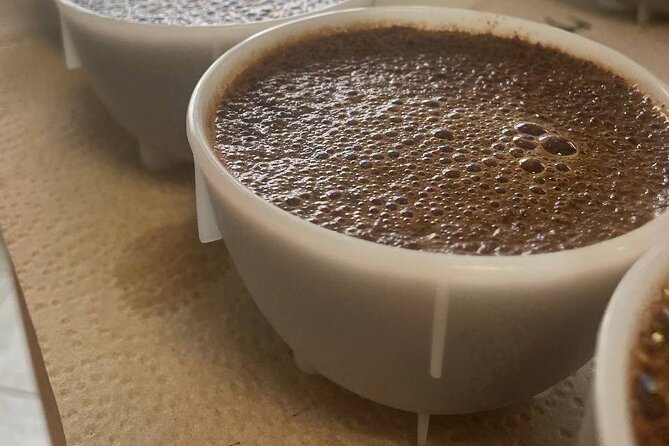
Coffee tasting sounds simple until you try to explain it. This course is built for the moment you realize your favorite coffee is not just tasty, it has a specific profile you can describe and repeat. In plain terms, you learn how to sense and evaluate coffee, calibrate your perception of basic tastes, and name aromas you detect in the cup.
Ljubljana is a smart setting because it is easy to move around, and the meeting point is near public transportation. Starting at 10:00 am also gives you time to arrive fresh, then spend the day training your palate without rushing. And since your group is private, you are not competing with strangers for instructor attention.
If you love coffee but feel stuck at the, this tastes good level, this is the bridge. You move toward a structured way to taste, compare, and judge. The course does not just reward love of coffee, it rewards practice, focus, and clean sensory habits.
From 10:00 am to about 7 hours: a realistic look at the flow
You meet at Dunajska c. 61 in central Ljubljana. The session runs about 7 hours, and it ends back at the meeting point. There are two big phases you should expect: learning and testing.
During the learning part, you start with calibration. That means you train your senses to recognize basic tastes and understand how those tastes show up in coffee. You also train aromas, learning which smells are present in coffee and how to connect those aromas to what you taste.
Then you move into evaluation practice. This is where the course becomes more active. You taste multiple samples, learn how to assess nuance, and practice describing flavor and aroma profiles in a way that is consistent.
Finally, you take a theoretical and practical exam. The goal is to earn the Specialty Coffee Certificate CSP Sensory Skills Foundation. The certificate is internationally recognized, which matters if you are thinking beyond tourism and toward professional coffee knowledge.
Calibrating your palate: basic tastes you can learn to recognize
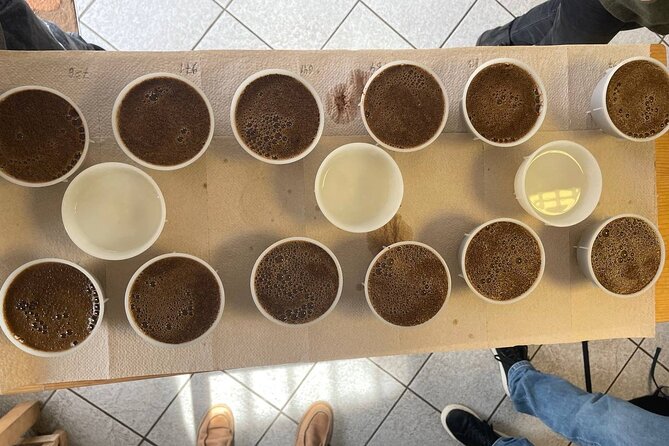
A lot of coffee training skips the fundamentals. This one does not. You work on calibrating your perception of basic tastes, so you can tell what is happening before you try to name it.
Here is why this matters for you: once you can reliably separate sweetness, acidity, bitterness, and other basic taste signals, you stop blaming your mood or the weather for what you taste. You get a repeatable method.
In a classroom setting, calibration usually means you slow down and compare. You learn to notice where flavors start, how they change, and what balance feels right. That is the difference between tasting coffee for enjoyment and tasting it for accuracy. It also helps when you want to recreate your preferences at different cafés, or choose beans with intention rather than luck.
Aroma training: the part that turns sniffing into a skill
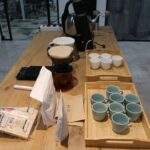
Coffee aroma training can sound like guesswork, but this course treats it like a skill you can practice. You learn which aromas can be found in coffee and you train to distinguish subtle nuances in the aroma profile.
So expect real attention to smell. You will likely go through a sequence where you first detect obvious notes, then try to identify more subtle ones. This is where you learn how to separate what you expect from what you actually perceive.
Practical tip: if you are sensitive to strong smells, take slow breaths and pause between samples. Your nose can get overloaded during intense tasting sessions. Also, because bottled water is provided, you can use it to reset your palate between cups.
Slovenia takes its coffee seriously

Evaluating like a pro: how the tastings actually build confidence
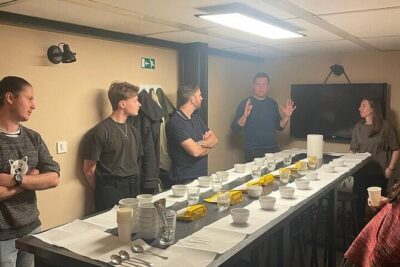
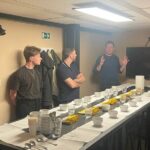
The tastings are the heart of the experience. You learn to distinguish subtle differences in taste and aroma, which is what most coffee lovers want, but few courses teach in a structured way.
This is where the course earns its strong reputation. The instruction is hands-on, and the teaching style from Lev is described as exceptional and engaging. That combination matters. When an instructor can explain what you are supposed to notice, tasting stops feeling random.
You also practice with the same mindset you would use in a professional sensory setting:
- smell first, then taste
- compare samples in a controlled way
- describe what you detect with consistency
One useful detail from the experience is the emphasis on tasting method, even to the point of guidance to spit it out. That is not just a formality. Spitting helps you stay clear-headed while you handle multiple samples.
The theory and practical exam: what you are working toward
The certificate comes from both a theoretical and a practical exam. Even if you are not aiming for a coffee career, the exam structure is valuable because it forces you to internalize the method.
The theoretical part tests whether you understand how sensory evaluation works: calibration, basic taste perception, aroma identification, and the logic behind profiling. The practical exam then checks whether you can apply the same skills to real tasting situations.
Why I think this is good value for you: you are not just paying for a fun afternoon. You are building repeatable knowledge and then proving you can use it. It is the difference between a one-time workshop and a credential you can point to later.
How much coffee you will taste, and how to avoid the caffeine trap
This is the one part to take seriously. One participant noted a lot of slurping, and another mentioned getting dizzy by the end even though they were recommended to spit out the coffee.
That tells you something important: this is not a light sip-and-smile activity. It is a training session with enough coffee volume to affect your body.
So here is the smart, practical approach:
- Eat beforehand since lunch is not included.
- Expect multiple tastings, not just a couple of samples.
- Use the spit guidance if you need to keep your head clear.
- Sip bottled water between samples, especially if you get jittery.
If you are caffeine sensitive, plan for slower pacing and take breaks when you can. The course is designed for sensory learning, not for maximizing caffeine pleasure.
Price and value: is $355.04 per person worth it?
At $355.04 per person for about 7 hours, this course is priced for people who want more than a casual coffee experience. You are paying for coaching, sensory practice, tasting materials (coffee and/or tea, plus water and snacks), and the exam route to the Specialty Coffee Certificate CSP Sensory Skills Foundation.
Here is the value equation I would use:
- If you love coffee and want skills you can use at home or at cafés, you get a structured method.
- If you want credibility, you get a recognized sensory certificate outcome.
- If you are sensitive to coffee volume, the course can feel like a lot, which lowers value for you.
For the right person, the price makes sense because the day is built around deliberate practice and a formal assessment. For the wrong person, it might feel intense. The solution is simple: go in with eyes open about tasting volume, and use the spitting and pacing guidance.
Who should book this course in Ljubljana
I think this works best for:
- Coffee lovers who want to name flavors and aromas more accurately
- People who enjoy training and structure, not only drinking for pleasure
- Anyone curious about the specialty coffee world and how professionals assess coffee
- Couples or friends who want an interactive, private, English-language activity together
It may be less ideal if you want minimal coffee intake. Also, the session is geared for adults: the experience accepts people over 18 for coffee-related workshops, even though there is no age limit for drinking coffee.
If you are visiting Slovenia and want something that feels more local and skill-based than a typical food tour, this is a strong pick. Ljubljana is compact enough that you will enjoy the city between the start and finish, and this activity uses that time in a focused way.
Logistics that make the day easier
Meeting point is Dunajska c. 61, and you are back there at the end. Start time is 10:00 am, and the experience runs about 7 hours. It is a private tour or activity, meaning only your group participates.
You get a mobile ticket, and the location is near public transportation. That is useful in Ljubljana because you can plan your day without depending on a car.
In terms of what is provided, you get coffee and/or tea, bottled water, and snacks. Lunch is not included. Plan around that so you do not start the tasting hungry or crash later.
Should you book? My honest recommendation
Book it if you want a real skill, not just a cute coffee experience. You will get structured training on basic tastes and aroma identification, practice distinguishing nuance, and finish with a theoretical and practical exam for the Specialty Coffee Certificate CSP Sensory Skills Foundation. If Lev’s teaching style clicks with you, you are likely to come away with confidence and a method you can use immediately.
Skip it or reconsider if you are highly caffeine sensitive or you know you do not do well with tasting volumes. The upside is huge for serious coffee people. The downside is real if your body reacts strongly to lots of coffee.
FAQ
How long is the coffee sensory training in Ljubljana?
It lasts about 7 hours.
What time does it start?
The start time is 10:00 am.
Where is the meeting point?
The meeting point is Dunajska c. 61, 1000 Ljubljana, Slovenia.
Is the session offered in English?
Yes, it is offered in English.
Is this a private tour?
Yes. Only your group will participate.
What is included in the price?
Coffee and/or tea, bottled water, and snacks are included.
Is lunch included?
No, lunch is not included.
Do you need to be a certain age?
There is no age limit for drinking coffee, but the workshop accepts people over 18 for coffee-related workshops.
What certificate do I earn?
You take a theoretical and practical exam to achieve the Specialty Coffee Certificate CSP Sensory Skills Foundation.
Can I cancel for a refund?
Yes, free cancellation is available. You can cancel up to 24 hours in advance for a full refund.
More Slovenian Coffee Sessions
Every Slovenia Tour We Have Reviewed
Ljubljana Tours and Day Trips We Have Rated
Recently added to our Slovenia write-ups
- Woop! Fun park with 21 attractions
★ 4.6 · 3 reviews - Private Zagreb Tour from Ljubljana
★ 4.5 · 3 reviews - The Deadly Walk – Ljubljana Cemetery Tour
★ 5.0 · 3 reviews - Postojna Cave and Predjama Castle Tour from Ljubljana
★ 5.0 · 3 reviews - Postojna Caves and Predjama Castle. Private trip.
★ 4.5 · 3 reviews - Introduction to the Specialty Coffee world in Ljubljana
★ 5.0 · 3 reviews
Ljubljana Tours & Day Trips, side by side.
 ★ 4.9Ljubljana: Postojna Cave & Predjama Castle Tickets and TourFrom $1152,146 reviews
 ★ 4.9Ljubljana: Savica Waterfall, Lake Bohinj, and Lake Bled TourFrom $941,015 reviews
 ★ 4.3Ljubljana: Castle Entry Ticket with Optional Funicular RideFrom $17718 reviews
 ★ 4.8From Ljubljana: Lake Bled & Postojna Cave with Entry TicketsFrom $173694 reviews
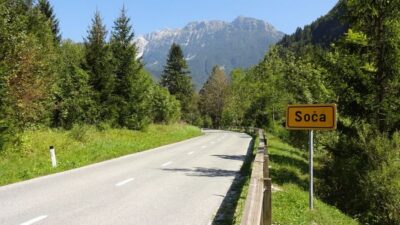 ★ 4.9From Ljubljana: Guided Day Tour to Soča and Kranjska GoraFrom $115584 reviews
 ★ 4.6Ljubljana: Guided Walk & Funicular Ride to Ljubljana CastleFrom $23576 reviews
 ★ 4.5House of Illusions Ljubljana Entrance TicketFrom $16556 reviews
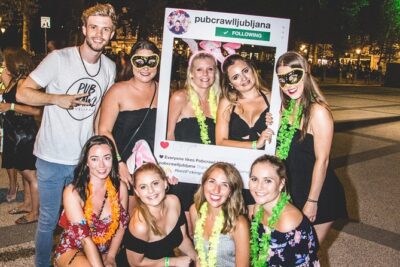 ★ 4.5Pub Crawl LjubljanaFrom $25536 reviews
Also filed under