
REVIEW · SLOVENIAN ISTRIA & TRUFFLE HUNTS
Wine Degustation in the Heart of Slovenian Istria
Santomas is a serious tasting, wrapped in family warmth. In Koper’s Slovenian Istria, this 1 hour 30 minutes visit pairs wine and organic olive oil with spectacular views from the cellar tower and a real sense of place. I love that the winery is family-run to the sixth generation, so the story feels personal, not scripted.
Two things I particularly like: the lineup of local grapes such as refosco and malvasia, plus international varieties, and the way you learn why their cellar choices matter. One thing to consider is that the experience depends on good weather, since part of what you’re enjoying is outdoors in the setting around the vines.
In This Review
- Key highlights worth planning for
- Santomas in Slovenian Istria: what you see before the first sip
- A sixth-generation family winery, plus their olive mill in the same place
- What you’ll taste: refosco, malvasia, and international bottles
- Wine and olive oil tasting from the cellar, with tower views included
- From vineyard to bottle: symbolism, 1997 philosophy, and modern cellar choices
- Your guide in English, and how the 1.5-hour flow stays relaxed
- Price and value: why $42.33 can feel fair here
- Who should book this Santomas tasting, and who might pass
- Quick practical tips so you get the most out of your 1.5 hours
- Should you book Santomas in Koper’s Slovenian Istria?
- FAQ
- Where is the meeting point for the wine degustation?
- How long does the tasting last?
- How much does it cost per person?
- Is the tour private?
- Is the tour offered in English?
- What will I taste during the experience?
- Can I bring a service animal?
- When will I receive confirmation after booking?
- What is the cancellation policy?
- What happens if the weather is bad?
Key highlights worth planning for
- Sixth-generation, family-run Santomas, with a long thread of tradition since 1997
- Organic conversion vineyards (25 ha) plus 7 ha of olive trees, so wine and oil feel connected
- Tower views over Slovenian Istria, making the tasting more than a quick sample
- Wine plus olive oil tasting at the cellar, including their organic extra virgin olive oil
- Low-sulphur, vegan, and spontaneous fermentation approaches that shape the glass
- Small, private group format led in English, with the sommelier Natalia bringing clear, attentive pacing
Inland Istria, hill villages and truffle dogs
- An Unforgettable Day With Fish, Wine and Olive Oil Tasting★ 5.0 · 108 reviews
- Istria – Truffles: Hunting & Cooking & Tasting, Slovenia★ 5.0 · 45 reviews
- Parenzana Trail Biking Experience from Koper★ 4.0 · 10 reviews
- Piran & Flavors of Slovenian Istria★ 5.0 · 3 reviews
Santomas in Slovenian Istria: what you see before the first sip
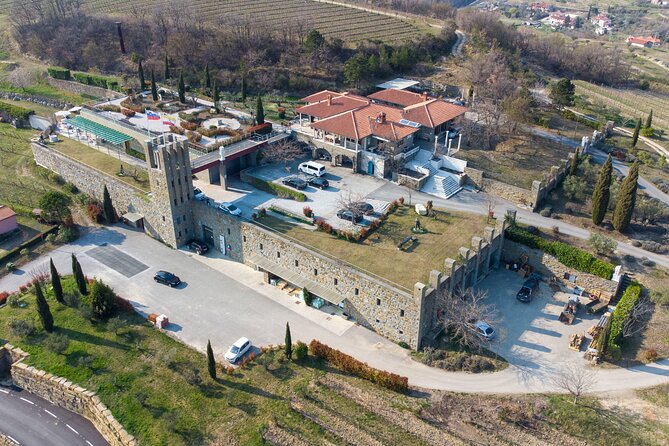
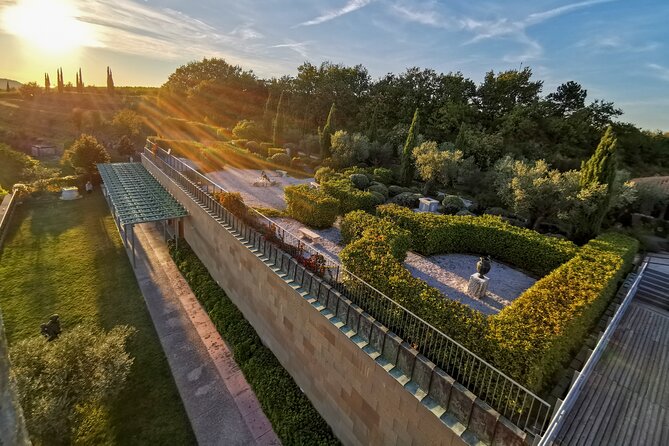
You start your visit in the Šmarje area, and the vibe shifts quickly from everyday roads to vineyard rhythm. From the wine cellar tower, the views give you an instant map of where the grapes grow and where the olive trees fit into the same hill-country picture.
This matters because it changes how you taste. When you can visually connect vines, slope, and the cellar setting, you pick up more in the glass, not less.
If you’re doing a road trip through this part of the Adriatic, this is the kind of stop that works well when you want a break that actually feels local. It is also a good use of time, since the tasting runs about 1 hour 30 minutes and loops back to the meeting point.
A sixth-generation family winery, plus their olive mill in the same place
Santomas is built around a family story that goes back generations. The winery’s pitch is history, ancestors, and symbolism, linking one story from the vineyard to the bottle with a philosophy that has been present since 1997.
Practically, you should care about that because it shows up in what you taste. A family winery that has stuck with the same place for generations tends to keep refining small details, like how they handle sulphur and how they approach fermentation.
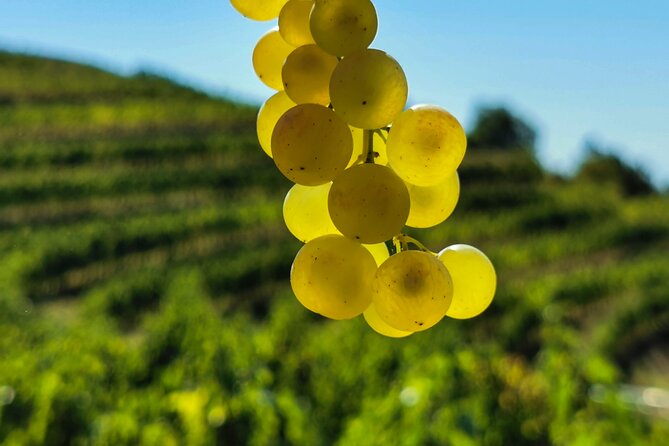
You’ll also hear how they operate as more than a wine cellar. They’re in organic conversion, with 25 hectares of vineyards and 7 hectares of olive trees, plus an oil mill where they produce organic extra virgin olive oil.
That olive oil part is not an add-on for show. The tasting setup is meant to connect the two products, so the oil helps you understand the region’s growing conditions and the palate you’re building toward in the wines.
What you’ll taste: refosco, malvasia, and international bottles
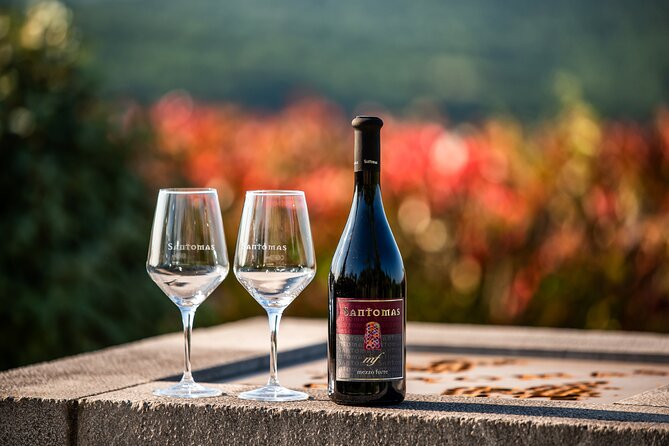
The focus is on local varieties, especially refosco and malvasia. You can also expect international grapes like cabernet sauvignon, syrah, and merlot, so you get a fuller picture of how the house thinks about both local identity and global classics.
In the tasting experience, the wines you try are presented as having distinct personalities. In guest feedback, people have described tasting a set of five wines, with styles ranging from refined to more decisive character.
That pattern is useful for you, because it avoids the common problem of tastings that repeat the same flavor shape. You end up with contrast, and contrast is what helps your palate learn faster.
Along the way, you will also sample olive oil from their own production. If you like food pairings, you’ll probably find the oil helps you notice textures and aromas that can otherwise get blurred when you only drink wine.
Wine and olive oil tasting from the cellar, with tower views included
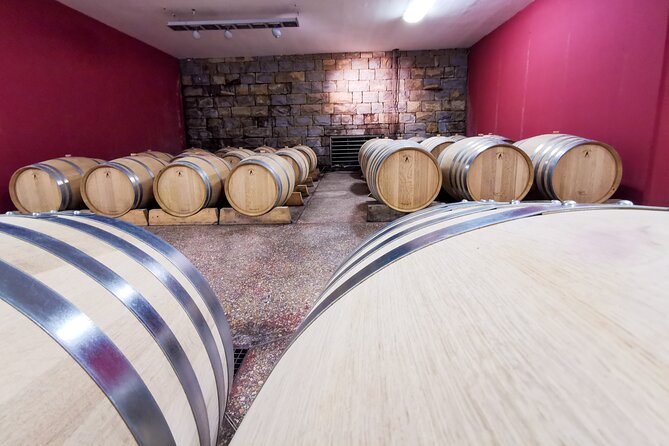
A big part of the experience is physical. You’re not just standing at a counter receiving samples. You’re guided through the wine cellar space, and the tower viewpoint ties the tasting to the outdoors.
The view is not just decoration. It gives context for the slope and the surrounding vines, so your first impressions make sense right away, even if you do not know much about Slovenian viticulture.
Then you settle into the tasting itself. You’ll sample the wines, and you’ll also taste olive oil made in their oil mill, which is part of what makes this stop different from a standard wine-only tasting.
If you tend to get bored in short tastings, this one is more likely to hold your attention because it mixes two sensory paths. Wine gives you aroma and fermentation character, while olive oil highlights bitterness, fruit, and peppery notes that sharpen your palate.
Slovenian wine country, glass by glass
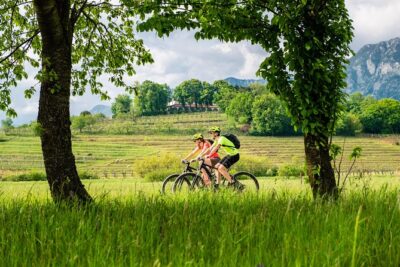
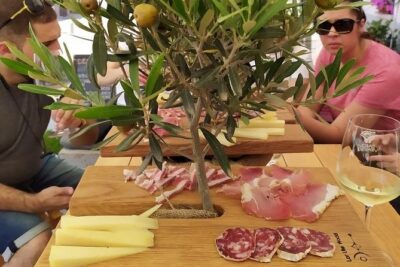
From vineyard to bottle: symbolism, 1997 philosophy, and modern cellar choices
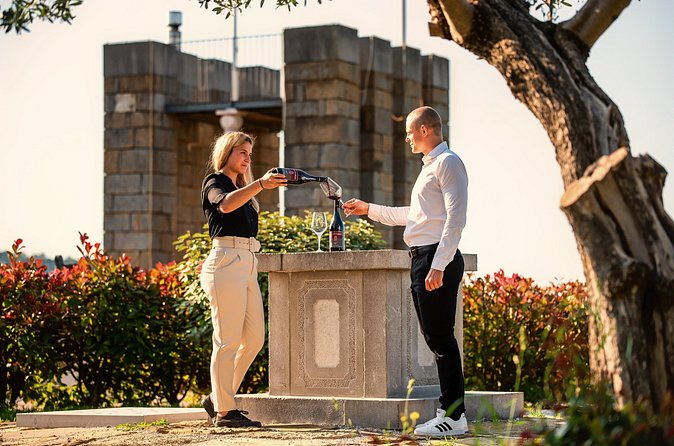
Santomas talks about history and symbolism, connecting vineyard stories to the bottle. That theme is tied to a philosophy present since 1997, so you’re hearing a sense of direction rather than random facts.
What I like is that the story does not fight the modern side of winemaking. In the cellar approach, they use techniques such as lowing sulphur, vegan wine practices, and spontaneous fermentations.
You can think of these choices as a “why” behind what you taste. Lower sulphur and spontaneous fermentations can shift the aroma profile toward more lift and freshness, while the vegan approach signals a processing style that many visitors prefer.
Now, will you taste every single technique directly. Usually not as a literal checklist. But you can often feel the difference in how the wines land on your palate, especially in the balance between fruit, texture, and that clean finish that makes you want another sip.
This is also where a good guide really matters. The pacing, the order of tasting, and the way the guide explains flavor help you connect the technique to the glass without turning it into a lecture.
Your guide in English, and how the 1.5-hour flow stays relaxed
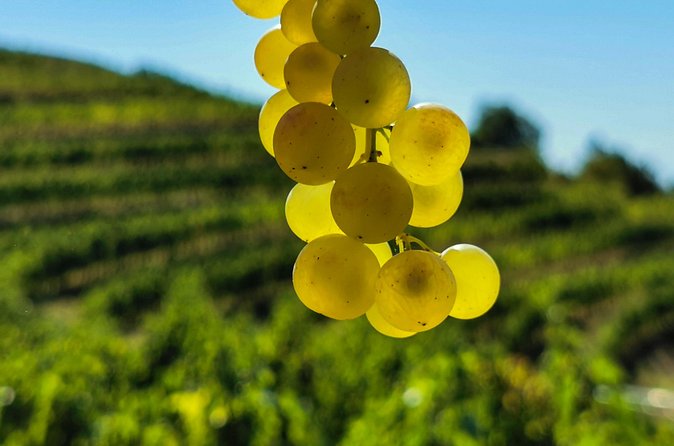
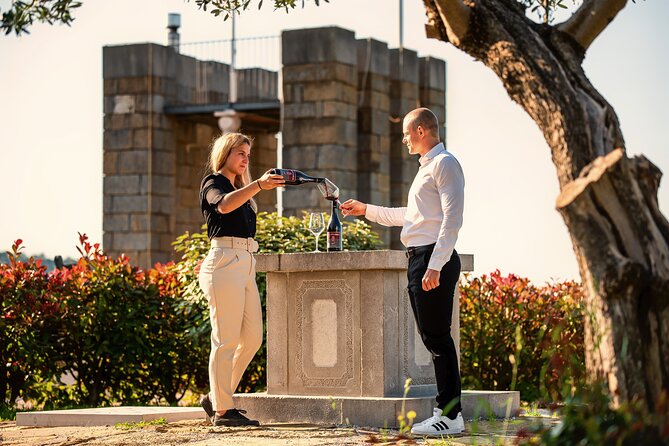
This experience is offered in English, which makes it easier to enjoy the cellar story rather than guessing through a tasting. The format is private, meaning only your group participates, so questions do not get lost in a larger crowd.
In guest feedback, sommelier Natalia is highlighted as attentive and friendly, even during busy times. That matches what you want in a tasting, especially if you’re traveling with mixed wine interest levels.
The visit also has a built-in rhythm. You start with the setting and the vineyard connection, then you move into wine and olive oil tasting, with explanations layered in along the way.
For you, this is the difference between collecting stamps and actually learning something. You leave with a clearer sense of what makes refosco and malvasia feel different, and how international grapes translate in this specific Slovenian Istrian home style.
Timing-wise, you have about 1 hour 30 minutes. That’s long enough to taste thoughtfully, but short enough that it fits between sightseeing days without eating the whole afternoon.
Price and value: why $42.33 can feel fair here
At $42.33 per person, this is not a budget tasting, but it also does not feel overpriced for what you get. You’re paying for a guided, private-format experience in English, tied to a working cellar, an oil mill, and a view from the tower.
The value equation improves because you’re tasting both wine and their organic olive oil. Olive oil tastings often cost extra in other places, so getting it folded into the same experience makes the math feel kinder.
There’s also the organic conversion angle. Even if you do not chase labels, you still benefit from the care that usually comes with organic-focused vineyard and production decisions. That care shows up in how the tasting is structured and how the guide frames what you’re tasting.
One more value detail: this type of stop is easiest when you book with some lead time. It’s commonly booked around 16 days in advance, so if your dates are firm, earlier planning gives you better odds.
Who should book this Santomas tasting, and who might pass
This tour suits you if you want a local Slovenian Istria stop that goes beyond a quick pour. It’s especially good if you care about how wine is made, but you also enjoy food-related senses like olive oil aroma and texture.
You’ll likely enjoy it if you like contrast in tastings. The mix of local varieties such as refosco and malvasia with international grapes like cabernet sauvignon, syrah, and merlot keeps the palate engaged.
It may not be the best fit if you want a fully hands-off tasting with zero explanation. This visit is guided, so you should be ready to listen, ask, and connect flavors to the story.
Weather matters too. Since the experience requires good weather, plan to bring flexibility if you’re traveling during changeable seasons.
Quick practical tips so you get the most out of your 1.5 hours
Wear comfortable shoes. A cellar visit with viewpoints means you might move around more than you expect in a short time.
If you have any dietary preferences tied to wine choices, this is a place worth paying attention to. Their modern cellar practices include vegan wine methods, which can be relevant for some visitors.
Come hungry for learning, not hungry for food. The core of the visit is tasting and explanation, so treat it like an education stop with snacks in your mind, not a meal replacement.
And if you’re trying to decide between wine-only and wine-plus-oil experiences, choose this one if olive oil interests you. The tasting pairing tends to make the flavors easier to remember.
Should you book Santomas in Koper’s Slovenian Istria?
I’d book it if you want a family-run winery experience where the setting, the olive oil, and the winemaking methods all connect. The sixth-generation feel, the organic conversion work, and the mix of local and international wines create a tasting that stays coherent, not random.
I would think twice only if you are sensitive to weather cancellations or if you truly want a minimal-effort, silent tasting. Otherwise, this is a strong value play at $42.33 for a guided private session with wine and organic olive oil and a viewpoint that makes the whole thing feel like you really arrived somewhere.
FAQ
Where is the meeting point for the wine degustation?
The meeting point is Šmarje 10, 6274 Šmarje, Slovenia. The activity ends back at the meeting point.
How long does the tasting last?
The duration is about 1 hour 30 minutes.
How much does it cost per person?
The price is $42.33 per person.
Is the tour private?
Yes. It is a private tour or activity, with only your group participating.
Is the tour offered in English?
Yes, it is offered in English.
What will I taste during the experience?
You will do a wine degustation focused on varieties including refosco and malvasia, and also international grapes like cabernet sauvignon, syrah, and merlot. The winery also produces organic extra virgin olive oil, and olive oil tasting is part of the experience in practice.
Can I bring a service animal?
Yes, service animals are allowed.
When will I receive confirmation after booking?
You’ll receive confirmation at the time of booking, unless you book within 1 day of travel, in which case confirmation is received as soon as possible subject to availability.
What is the cancellation policy?
You can cancel for free up to 24 hours in advance for a full refund. If you cancel less than 24 hours before the start time, you do not get a refund.
What happens if the weather is bad?
The experience requires good weather. If it is canceled due to poor weather, you’ll be offered a different date or a full refund.
Every Slovenia Tour We Have Reviewed

More Vipava and Brda Wine Trips
More of Slovenian Istria
Recently added to our Slovenia write-ups
- Wine Degustation in the Heart of Slovenian Istria
★ 5.0 · 3 reviews - One guide – two ports – tours from Koper and Trieste
★ 4.5 · 3 reviews - Half day tour to Postojna cave – Private tour from Koper
★ 4.0 · 3 reviews - Piran & Flavors of Slovenian Istria
★ 5.0 · 3 reviews - Flavours of Istria Tasting Experience from Koper
★ 5.0 · 3 reviews - Lipica Stud Farm- Private Experience from Koper
★ 4.0 · 4 reviews
Slovenian Istria & Truffle Hunts, side by side.
 ★ 5.0An Unforgettable Day With Fish, Wine and Olive Oil TastingFrom $79108 reviews
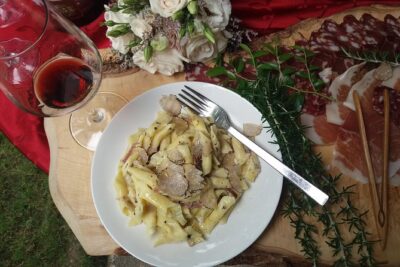 ★ 5.0Istria – Truffles: Hunting & Cooking & Tasting, SloveniaFrom $15445 reviews
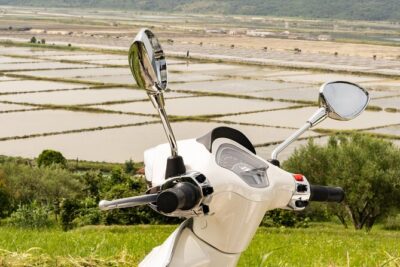 ★ 5.0Half Day Vespa Countryside Tour and Tastings in IstriaFrom $33630 reviews
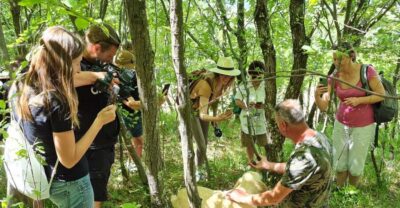 ★ 5.0Gažon – Istria: Truffles Hunting & Cooking & TastingFrom $14623 reviews
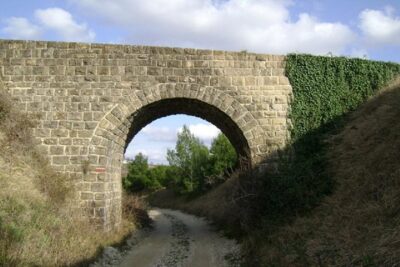 ★ 4.0Parenzana Trail Biking Experience from KoperFrom $9510 reviews
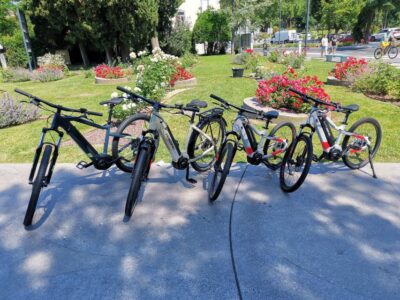 ★ 4.7Piran: e-bike&snack in IstriaFrom $786 reviews
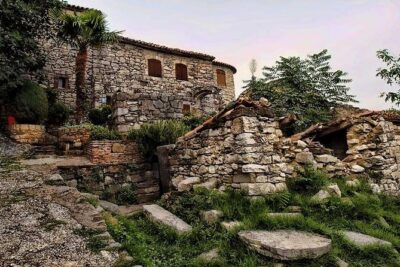 ★ 5.0Flavours of Istria Tasting Experience from KoperFrom $1323 reviews
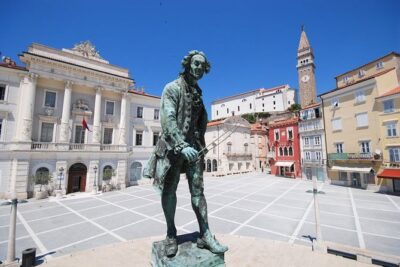 ★ 5.0Piran & Flavors of Slovenian IstriaFrom $2093 reviews