
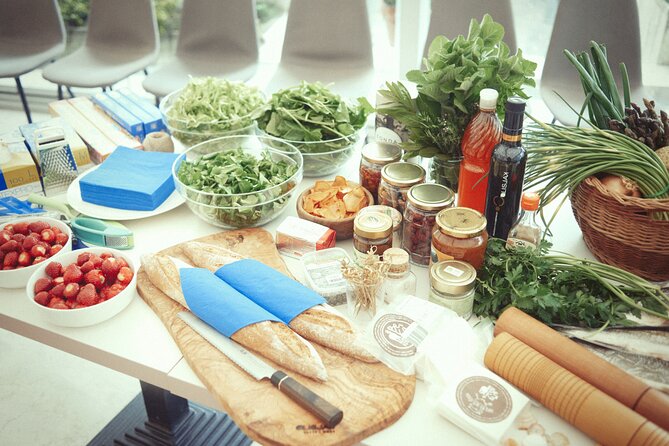
REVIEW · COOKING CLASSES
Private Mediterranean Fish Cooking Workshop with Irena
Fish cooking confidence starts under pine trees. In Koper and the Piran coast, Irena’s private class at Fonda Fish Garden turns seafood prep into a practical skill set you can use again and again. You get a personal instructor, a guided start with local-herb infused water or local wine, and then the fun part, cooking your own Mediterranean-style menu.
What I like most is the mix of hands-on technique and real food thinking, not just watching someone else cook. You learn freshness checks and the steps for cleaning and filleting, including how to handle seabass and make mussels and seafood pasta in season.
One thing to consider: the experience depends on weather, and it’s designed for a seaside outdoor setting. If it turns bad, the workshop can be canceled, and you should also know that alcohol like wine is not included in the base price.
In This Review
- Key highlights that make this class worth your time
- Entering Fonda Fish Garden: where the lesson starts
- Private and in English: what you’re really paying for
- The day’s flow around Piran, Secovlje, and the coastal sites
- Piran: seaside town energy and an easy mental reset
- Secovlje Salina Nature Park: salt landscape context
- Thalasso Spa Lepa Vida: a coastal wellness stop
- Piran Town Walls: a viewpoint moment
- Aquarium Piran: seafood education without the lecture tone
- Your menu is structured like a fish lesson
- Starters: from fish soup to raw fish plates
- Seasonal middle course: mussels or pasta
- Main: seabass ala Fonda
- Dessert: seasonal and homemade
- What you’ll learn in the kitchen (and what to practice at home)
- Freshness, storage, and the science behind the steps
- Cleaning and filleting seabass without panic
- Mussels when they’re in season
- Seafood pasta that tastes like the region
- Safe raw fish preparation, not guesswork
- The seaside feast under pine trees: why it feels complete
- Drinks, add-ons, and what’s included versus what costs extra
- Weather and timing: the practical side of planning
- Who this is best for (and who might skip it)
- Should you book Irena’s private Mediterranean fish cooking workshop in Koper?
- FAQ
- How long is the Private Mediterranean Fish Cooking Workshop with Irena?
- Where is the meeting point?
- Is this a private tour or shared group experience?
- Is the workshop offered in English?
- What is included in the price?
- Are alcoholic beverages included?
- Will I learn how to prepare raw fish dishes safely?
- Is bottarga tasting available?
- Are service animals allowed?
- What happens if the weather is bad, or if I cancel?
Key highlights that make this class worth your time
- Private class with Irena: your group cooks together with a dedicated instructor
- Raw-to-cooked seafood skills: learn safer prep for raw fish dishes as well as cooked meals
- Real farm and sea focus: sustainable seafood, how to store and freeze fish, and how to judge freshness
- All ingredients and cookware included: you’re not shopping, chopping, or guessing what tools to bring
- Seaside feast under pine trees: you finish with a gourmet seafood meal plus a seasonal dessert
Your group only, nobody else in the van
- Shore Excursion/Private Tour – Lake Bled and Ljubljana from Koper★ 5.0 · 33 reviews
- Piran and Scenic Slovenian Coast-Private Experience from Koper★ 5.0 · 11 reviews
- Private Tours in Slovenia from Koper★ 4.0 · 8 reviews
- Lake Bled and Ljubljana Private Shore Excursion from Koper★ 5.0 · 6 reviews
Entering Fonda Fish Garden: where the lesson starts
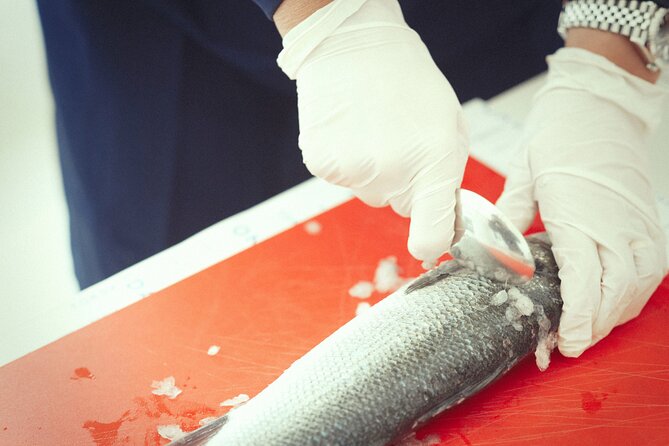
This is the kind of cooking class that feels like it was built for people who love food but have always been a bit intimidated by fish. You’re not handed vague tips and sent off with a cookbook. Instead, the workshop is structured around fish you actually work with, from prep to plating, with Irena guiding you through each step.
The setting matters. Fonda Fish Garden has an outdoor, coastal feel, and the day’s mood stays relaxed and focused. You begin with something simple but smart, a glass of local wine or chilled water with local herbs, which puts you in the Mediterranean rhythm before you touch ingredients.
You’ll also see the theme show up again and again: sea-to-table thinking with sustainability as a real part of the lesson, not a side note. Irena is described as a molecular biologist and a passionate cook, and that combination shows in how the class explains food safety and storage, not just recipes.
Private and in English: what you’re really paying for
At $199.55 per person for about 4 hours, this class is priced like a true experience, not a casual demo. The value comes from four big buckets that are included: instruction, a full meal, all the ingredients and utensils, and the recipes so you can repeat it later.
It’s also private. That matters more than it might sound. In a private setting, Irena can tailor the pace and the level of detail to your group, and it makes it easier to ask questions while you’re actively cutting, cleaning, and assembling.
The class is offered in English, which is a practical win. With fish cookery, you want to understand every step, especially when you’re dealing with raw fish dishes and safe handling. Clear language reduces stress and makes the techniques stick.
The day’s flow around Piran, Secovlje, and the coastal sites
The workshop is centered on Fonda Fish Garden, but the experience is built as a coastal day with stops around the Piran area. Expect time for the sights, and expect the sea theme to keep showing up, especially as you transition from learning to tasting.
Here’s the itinerary as it’s laid out: Piran, Secovlje Salina Nature Park, Thalasso Spa Lepa Vida, Piran Town Walls, and Aquarium Piran. Even if you’re mostly focused on the cooking, these stops give context for the region’s relationship to water, food sources, and how coastal life is organized.
Piran: seaside town energy and an easy mental reset
Piran is the obvious starting point for atmosphere. It’s a coastal town, and the stroll through it helps you shift from travel mode into slow, food-day mode. You’ll likely enjoy it most if you don’t try to turn the whole day into a checklist.
One practical tip: wear comfortable shoes. You’ll be moving enough for it to matter, and you’ll want your legs fresh when it’s time to cook and eat.
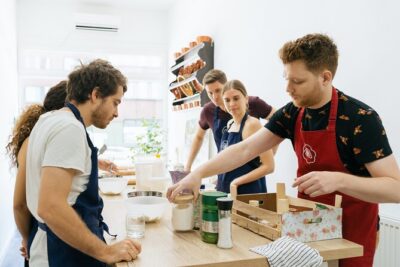
Aprons on, a few more recipes
Secovlje Salina Nature Park: salt landscape context
Secovlje Salina Nature Park is included by name, so you can expect a nature stop tied to salt and water. This is the kind of place that quietly explains why the sea and coastal ecosystems matter for food culture.
If you like connecting food to place, you’ll appreciate this pause. If you only want cooking, you might treat it as a breather. Either way, it’s part of the story behind fish, the sea, and sustainable seafood use.
Thalasso Spa Lepa Vida: a coastal wellness stop
Thalasso Spa Lepa Vida appears as a dedicated stop. Even if you don’t plan to use any spa services, the stop gives you a moment to slow down and get your bearings.
Keep your expectations simple here. The value is the coastal setting and pacing, not a guarantee that you’ll spend time changing or booking treatments.
Piran Town Walls: a viewpoint moment
Piran Town Walls are listed as a stop, which usually means you get views over the town and coast. This is one of those “good for photos, better for perspective” segments.
Go when you can take a steady pace. Views are fun, but they also help you recharge before the main cooking work starts.
Aquarium Piran: seafood education without the lecture tone
Aquarium Piran rounds out the set of sea-linked sites. This is a useful stop if you want to connect the seafood you’re cooking with the animals it comes from.
It also sets up the cooking part psychologically. You walk away seeing the sea as something living and specific, not just ingredients.
Your menu is structured like a fish lesson
The menu isn’t just a list of what you eat. It’s designed to walk you through fish in multiple forms: soup, raw preparations, smoked or prepared starters, then cooked fish, and finally dessert.
Starters: from fish soup to raw fish plates
You can expect several seafood starters, including Fish Soup plus raw fish options like sashimi, carpaccio, and fish tartar. There’s also a smoked seabass appetizer listed, which gives you a cooked and flavored entry before you move into more cooking-focused work.
The key takeaway for you is that the class doesn’t treat raw fish like a mystery trick. The description emphasizes safely preparing raw fish dishes, and the menu reflects that you’ll actually handle the concept, not only the taste.
Seasonal middle course: mussels or pasta
A mussels course is included when in season, and otherwise the menu lists pasta as a seasonal option. This seasonal flexibility is practical in coastal cooking, because ingredients cycle with weather and availability.
Main: seabass ala Fonda
The main course is seabass ala Fonda. If you’ve ever wondered why seabass is such a common Mediterranean centerpiece, this is your chance to learn why it works. You’ll be cooking with ingredients that match the cooking style, not substitutions that only half fit.
Dessert: seasonal and homemade
You finish with a seasonal dessert. It’s described as home-made by Irena, which matters because it adds an end-of-day signature touch rather than a generic sweet.
What you’ll learn in the kitchen (and what to practice at home)
This workshop is built around skills that remove fear. That’s the vibe I keep seeing in the way people describe the experience: after the class, you feel empowered to handle fish more confidently.
Freshness, storage, and the science behind the steps
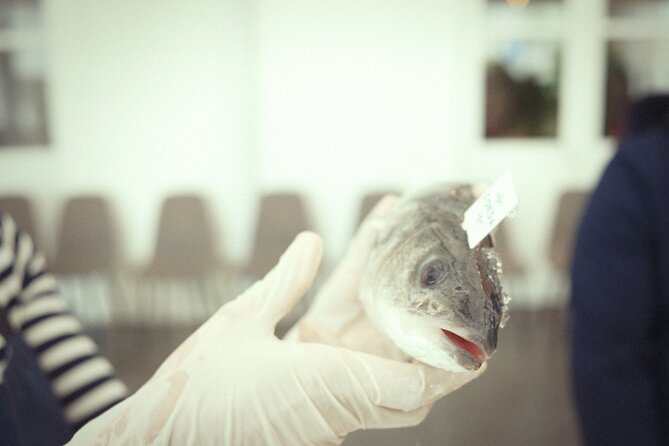
You learn how to tell if a fish is fresh, plus how to freeze and store fish properly. This is one of the most useful parts for real life, because most cooking problems with seafood start long before the pan heats up.
Irena’s background as a molecular biologist is mentioned, and the practical result is that the class approaches safety and storage with clarity. You get explanations that make sense for how fish changes after it’s caught and how you should handle it.
Cleaning and filleting seabass without panic
Cleaning and filleting seabass is specifically called out. For many people, this is the moment where fish goes from intimidating to manageable. You’re not learning from scratch with dried-out pieces and wishful thinking. The class provides what you need to practice with the right ingredients.
Mussels when they’re in season
Mussels are included, described as a delicious option when in season. The value here is technique and timing. Shellfish cooking is easy when you know the rules, and stressful when you don’t.
Seafood pasta that tastes like the region
You’ll also learn how to make incredible seafood pasta. Pasta is the trick that brings everything together: fish flavor, seafood texture, and Mediterranean seasoning habits. Even if you don’t cook fish often, pasta gives you a repeatable way to use what you learned.
Safe raw fish preparation, not guesswork
One of the most important points in the description is learning how to safely prepare raw fish dishes. This is where a private setup really shines, because you can ask questions as you go.
At home, this translates into better decisions about sourcing and handling. You’re learning a process, not just a single meal trick.
The seaside feast under pine trees: why it feels complete
After cooking, you gather under pine trees for a gourmet seafood feast. That finishing ritual is more than a nice photo moment. It turns the class into a full day with a satisfying rhythm, cook, eat, and then relax.
You also get a sweet farewell with a seasonal dessert. Small touches like that are what make a food experience feel like a complete event, not a short class followed by a rushed meal somewhere else.
Drinks, add-ons, and what’s included versus what costs extra
This is one of those classes where most of what matters is included, but not everything is bundled.
Included in the experience:
- Lunch or dinner, depending on when you start
- Chilled water with or without herbs by glass, unlimited, and described as fresh tap water rather than bottled water
- All ingredients, utensils, and recipes
Not included:
- Alcoholic beverages you can buy, with high-quality local white wine listed as available
- Optional bottarga tasting on request, listed at 10 EUR per person
- Snacks, with Mediterranean caviar mentioned as bottarga, plus the note that it’s an add-on
If you like wine with meals, budget for it. If you don’t drink, you’ll still have unlimited chilled herb water, which sounds like a genuinely nice companion to seafood.
Weather and timing: the practical side of planning
The workshop requires good weather, and it can be canceled if conditions are poor. If that happens, you’ll be offered a different date or a full refund, according to the policy.
Plan your day with the idea that you’re doing an outdoor, seaside-focused experience. If you’re arriving late in the day or juggling other activities, keep some flexibility.
The tour duration is about 4 hours. That’s long enough to learn and cook properly, but short enough that you’re not stuck all day. It’s a sweet spot for travelers who want depth without losing the rest of their itinerary.
Who this is best for (and who might skip it)
This workshop suits you if you want real technique and a guided step-by-step experience with seabass, mussels, seafood pasta, and raw fish safety. It’s also great for food lovers who care about where seafood comes from and how it’s handled.
It’s a strong pick for couples, small groups, and families who want a hands-on activity that ends in a meal. The experience is also described as being suitable for team-building, which hints at a warm, group-friendly atmosphere.
You might consider another option if you’re mainly interested in a quick sightseeing tour with minimal cooking. This is a cooking class first, with the sights used as part of the broader coastal day.
Should you book Irena’s private Mediterranean fish cooking workshop in Koper?
I think this is a high-value booking if you care about learning skills, not just eating well. You’re paying for private instruction, included ingredients and tools, and a full meal that closes the loop. The strongest reasons to choose it are the practical focus on freshness, filleting, and safe raw fish prep, plus the sustainable, sea-centered approach led by Irena.
Book it if you want confidence in the kitchen and you like the idea of a seaside setting with a real instructor. Skip it only if you can’t handle weather changes or you’re unwilling to spend a few hours actively cooking.
If you do book, go hungry, wear comfortable shoes, and be ready to ask questions. The best payoff comes when you treat it like a hands-on workshop, not a passive class.
FAQ
How long is the Private Mediterranean Fish Cooking Workshop with Irena?
It lasts about 4 hours.
Where is the meeting point?
The start meeting point is Seča 142, 6320 Portorož, Slovenia, and the activity ends back at the meeting point.
Is this a private tour or shared group experience?
This is a private tour or activity, with only your group participating.
Is the workshop offered in English?
Yes, it is offered in English.
What is included in the price?
Included are lunch or dinner (depending on when you start), unlimited chilled water with or without herbs, and all ingredients, utensils, and recipes.
Are alcoholic beverages included?
No. Alcoholic beverages, including high-quality local white wine, are available to buy.
Will I learn how to prepare raw fish dishes safely?
Yes. The class includes instruction on how to safely prepare raw fish dishes.
Is bottarga tasting available?
Yes. Bottarga tasting is available on request for 10 EUR per person.
Are service animals allowed?
Yes, service animals are allowed.
What happens if the weather is bad, or if I cancel?
The experience requires good weather. If it is canceled due to poor weather, you will be offered a different date or a full refund. If you cancel for other reasons, the experience is non-refundable and cannot be changed.
More Slovenian Cooking Classes
More Private Bookings in Slovenia

Every Slovenia Tour We Have Reviewed

Recently added to our Slovenia write-ups
- Wine Degustation in the Heart of Slovenian Istria
★ 5.0 · 3 reviews - One guide – two ports – tours from Koper and Trieste
★ 4.5 · 3 reviews - Half day tour to Postojna cave – Private tour from Koper
★ 4.0 · 3 reviews - Piran & Flavors of Slovenian Istria
★ 5.0 · 3 reviews - Flavours of Istria Tasting Experience from Koper
★ 5.0 · 3 reviews - Lipica Stud Farm- Private Experience from Koper
★ 4.0 · 4 reviews
Cooking Classes, side by side.
 ★ 4.9Ljubljana: Traditional Slovenian štrukelj Cooking ClassFrom $7058 reviews
 ★ 5.0Istria – Truffles: Hunting & Cooking & Tasting, SloveniaFrom $15445 reviews
 ★ 5.0Gažon – Istria: Truffles Hunting & Cooking & TastingFrom $14623 reviews
 ★ 4.0sLOVEnian Strukelj Traditional Cooking ClassFrom $7210 reviews
 ★ 5.0Belokranjska Pogača Cooking ClassFrom $534 reviews
Also filed under