
REVIEW · LJUBLJANA TOURS & DAY TRIPS
Ljubljana: Secrets of the Old Town & Ljubljana’s people
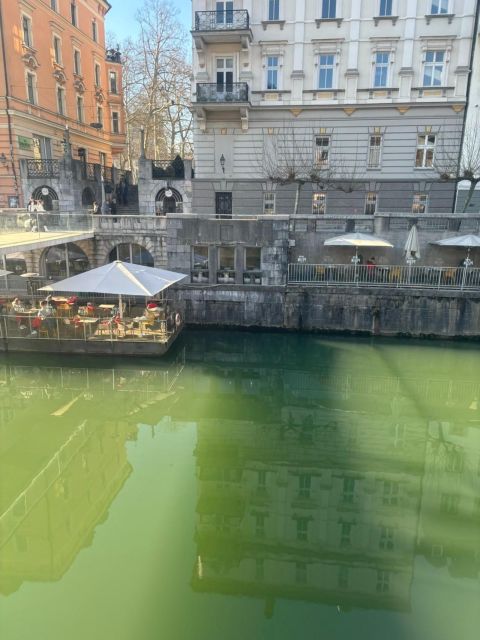
Ljubljana’s water tells its story. In this 2-hour walk, you move through the Old Town like it’s a fairy tale with real-time history and living culture layered in. What I like most is how the route feels simple to follow, yet packed with meaning.
I also like the way the guide connects “then and now” in one smooth storyline. You’ll hear about Roman-era roots, the Middle Ages, and what happened after a major earthquake, then you’ll contrast that with how people live here today and what the city has planned for the future. If you’re the type who loves facts with a human voice, you’ll probably enjoy guides like Arthur, who people praise for passion, or Klemen, who’s highlighted for great, interesting details.
The main consideration: it’s still a moderate walking experience for 2 hours. If you hate uneven old-street walking or you want lots of museum time inside (entry tickets are not included), you may feel more rushed than you expect.
In This Review
- Key takeaways before you go
- Why Ljubljana’s bridges feel like the real tour guide
- Start at Mestna hiša, then walk the story in order
- The city’s “then and now” timeline actually clicks
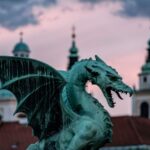
- Dragon Bridge, Butchers Bridge, and Cobblers Bridge: three bridges, one point
- The Ljubljana Central Market stop and why it matters
- Cathedral time and the Three Rivers Fountain
- Main Square, a love story of a poet, and the pulse of public life
- Congress Square, Star Park, and the National library vibe
- The secret tiny street moment and the value of “small”
- City Hall and the faces of Slovenian culture on old money
- How much walking and time you really get in 2 hours
- Price and value: is $58 per person fair?
- Who this tour suits best, and who should choose something else
- The languages and guide experience that make the walk easier
- Should you book Secrets of the Old Town & Ljubljana’s people?
- FAQ
- How long is the walking tour?
- What is included in the price?
- Are entry tickets included?
- Where does the tour start?
- Is the tour wheelchair accessible?
- Are audio recordings allowed?
Key takeaways before you go
- Bridges and water are the theme, so the Old Town makes sense fast
- You’ll see a tight mix of landmarks like Dragon Bridge, Butchers Bridge, and the cathedral
- Expect a story arc from Roman times through the earthquake era to present-day plans
- The pace is built for 2 hours on foot, with an efficient route and a “just right” amount of walking
- You’ll cover public squares, the market area, and city institutions like the National library and City Hall
More of the capital, and the day trips that leave from it
- Ljubljana: Postojna Cave & Predjama Castle Tickets and Tour★ 4.9 · 2,146 reviews
- Ljubljana: Castle Entry Ticket with Optional Funicular Ride★ 4.3 · 718 reviews
- From Ljubljana: Lake Bled & Postojna Cave with Entry Tickets★ 4.8 · 694 reviews
- From Ljubljana: Guided Day Tour to Soča and Kranjska Gora★ 4.9 · 584 reviews
Why Ljubljana’s bridges feel like the real tour guide
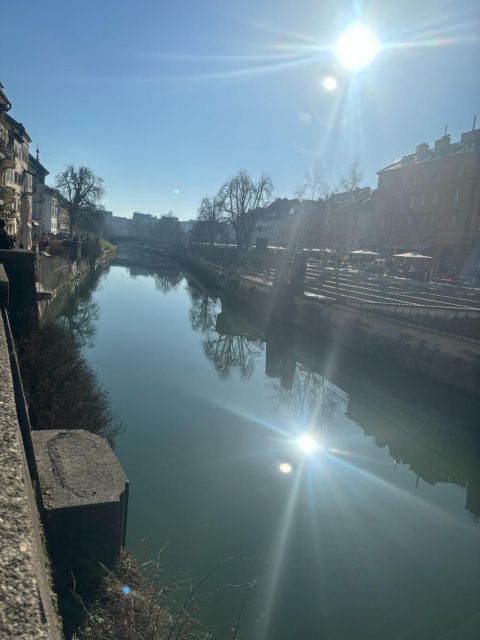
Ljubljana is often described as green, but this tour makes that idea practical, not just marketing. The big connection is water. Canals, rivers, reflections, and the bridges over them are part of everyday life, and your guide uses that theme to explain why the city’s layout evolved the way it did.
That approach works because bridges are both useful and symbolic. You get a clear reason for each stop, instead of just “look at the pretty bridge.” Even if you only remember one thing, you’ll leave thinking about how water shapes movement, trade, and even how people gather in squares.
Start at Mestna hiša, then walk the story in order
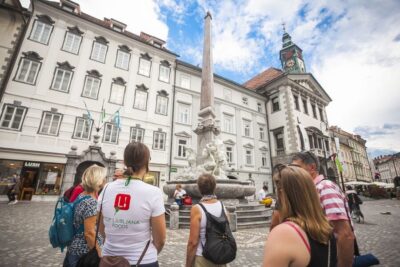
The tour starts at MESTNA HIŠA, Trubarjeva cesta 4. That matters because it’s central and easy to orient from, especially if it’s your first time in Ljubljana. You’re not starting out in a random parking lot or far outside the historic core, so the whole 2 hours feels efficient.
What you should do right away is pick a comfortable rhythm. This is a walking tour through streets and squares, so your best friend is comfortable shoes. Bring an umbrella too, because a quick drizzle can turn a stone-pavement walk into a slippery one.
Expect a guided walk that’s built to be friendly for most fitness levels, but still genuinely active. The tour lasts 2 hours, so you’re not stopping for long sits or long lines, and you’ll want to keep your schedule flexible.
The city’s “then and now” timeline actually clicks
A common problem with Old Town tours is that they list time periods without making them feel connected. Here, the storytelling is organized around what shaped the city. You’ll hear about old Roman times, the Middle Ages, and what happened after a big earthquake. Then the guide brings it back to how people live here now and what’s coming next.
That structure helps you understand Ljubljana as a living place, not a preserved set. When you learn how a disaster or an era changed the city, later views of buildings and public spaces start to feel intentional instead of accidental.
It also explains why the tour spends time on both classic sights and everyday spots like the market and shopping areas. The message is clear: Ljubljana’s character comes from people using the city, not just tourists photographing it.
Dragon Bridge, Butchers Bridge, and Cobblers Bridge: three bridges, one point
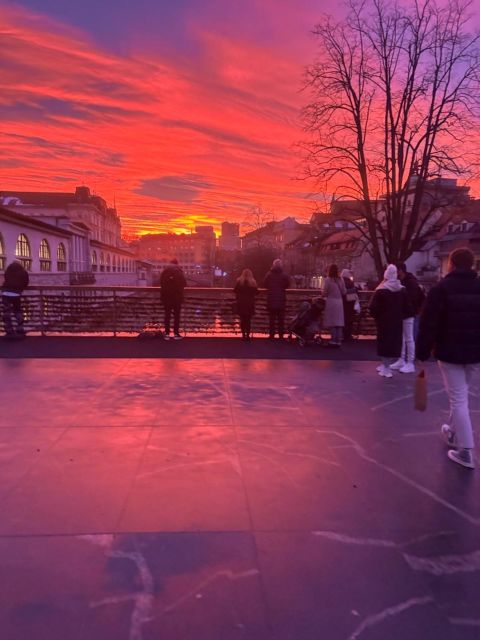
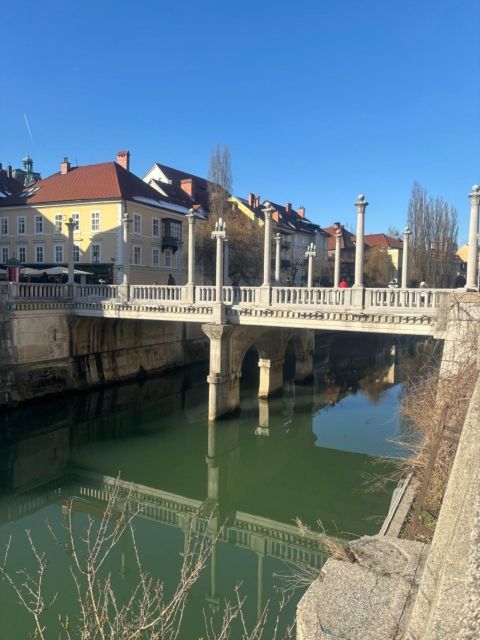
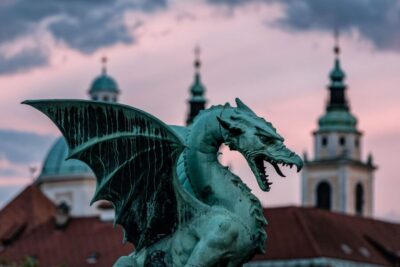
The bridges are the star of the show, and you’ll visit more than one. The tour includes Dragon Bridge, Butchers Bridge, and Cobblers Bridge, plus the broader “three bridges” idea that makes this part of town special.
Here’s why that sequence is more than sightseeing. Each bridge sits in a different kind of urban moment. One is about identity and landmark energy, another hints at the city’s craft and trade traditions, and another connects daily movement across the river-water system. When your guide ties those details together, the bridges become shortcuts to understanding Ljubljana.
If you like photography, this is also a great route because water gives you reflections and changing light. If you prefer just soaking it in, water still helps, because it gives you an easy “through-line” while you walk.
The Ljubljana Central Market stop and why it matters
You’ll pass through the area of the Ljubljana central market, which is a key part of seeing a city with your senses. Even if you don’t plan to shop, markets are where you learn how food culture works locally. They’re also where you see how people use the streets in practical ways.
This stop helps balance the more story-heavy parts of the tour. After learning about centuries of change, you get a present-day snapshot. It’s a reminder that the city’s history is still feeding today’s routine.
This is also a nice moment for you to grab a quick snack later on your own, because you’ll know where the energy is. And since the tour includes recommendations, you can leave with a short list of places to try for food, shops, and restaurants.
Cathedral time and the Three Rivers Fountain
Two of the tour’s landmark highlights are the cathedral and the fountain of three rivers. The cathedral stop gives you a chance to understand the spiritual and civic weight buildings can carry in a small city. It’s not just architecture, it’s also a “how people gathered” reference point.
Then the fountain ties back to the tour’s obsession with water. Three rivers means confluence, meeting points, and the practical reason a city grows where it does. If you’re the kind of traveler who likes symbolic places with real geography underneath, this combination works well.
Spend a couple of minutes slowing down here. Look around, not only up. You’re trying to connect where the water comes together with where people stand, walk, and linger.
Main Square, a love story of a poet, and the pulse of public life
The tour includes the main square and a love story tied to the poet associated with Ljubljana. You don’t need to be a poetry expert to appreciate the point. Public squares like this are where stories become shared memory, and where people keep reenacting the city’s identity through daily routines.
That’s why this part is more than romantic lore. You’re learning how the city turns culture into something visible. And because you’re walking, the “story” becomes physical. You see how the space works, where you’d naturally meet someone, and how the street layout shapes your movement.
If you enjoy people-watching, this stop is a good one to do it gently. Don’t treat it like a quick photo target. Let it be the moment where you realize you can navigate Ljubljana without a map.
Congress Square, Star Park, and the National library vibe
As you move along, you’ll hit Congress square and Star park, then continue to the National library. These places broaden the tour from older legends into a more civic, educational side of the city.
Star Park is especially interesting because it sounds playful while still being part of the urban design. That contrast matters in Ljubljana. The city can feel poetic without being fragile, and it can be planned without feeling stiff.
The National library stop also adds a useful angle for your trip planning. If you’re curious about local culture and want something more than monuments, a library is a signpost that the city invests in learning and public life.
The secret tiny street moment and the value of “small”
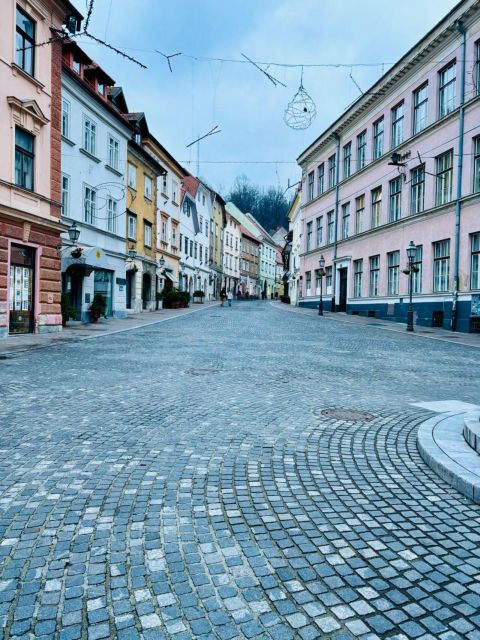
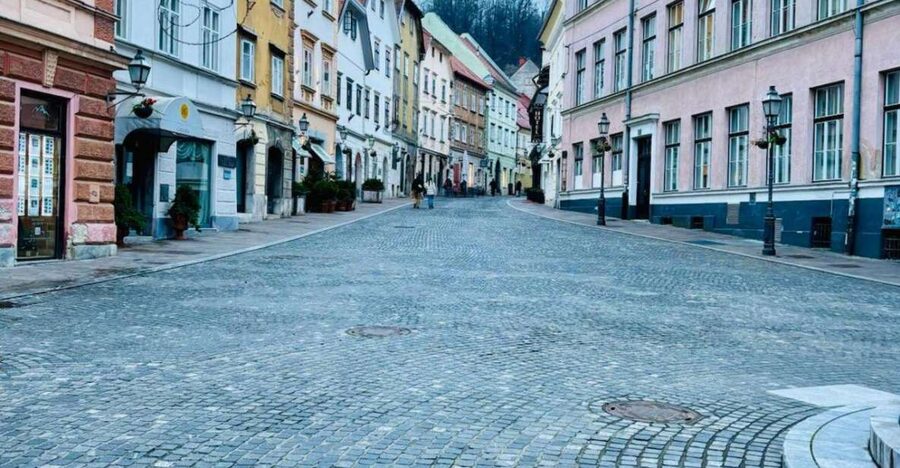
After larger squares and landmark bridges, the tour includes something that sounds modest but is usually the most memorable: a secret tiny street. These narrow lanes are where Old Town cities reveal their personality. They slow you down. They change the sound and the light.
This is also a smart pacing tool. After walking across big open spaces, you get a sensory reset. If you’re traveling in warm months, these little streets can also feel cooler and calmer, even if only for a few minutes.
Think of this as your reminder to look beyond the headline monuments. In Ljubljana, the charm often lives in the in-between places where locals actually pass through.
City Hall and the faces of Slovenian culture on old money
You’ll finish at or near the City Hall area, and you’ll also focus on “important people” of Slovenian culture. The tour includes references to those figures on old money, which is a clever detail. It connects culture to everyday objects, not only plaques and statues.
That kind of connection is valuable because it helps you understand national identity in a way that’s portable. You can take the idea home after your trip, because you start noticing symbols and references you would otherwise miss.
The guide also ties this together with an explanation for why Ljubljana is called the green capital of Europe. Instead of treating it like a slogan, you’ll be guided to connect the claim with what you actually see in the city design and daily life.
How much walking and time you really get in 2 hours
This is a 2-hour walk, so you should plan for steady movement. The good news is that the route is organized to feel efficient. Guides are praised for hitting the right walking balance, meaning you see a lot without feeling like you’re in a sprint.
Still, it’s not a sit-and-watch tour. You’ll need the basics: comfortable shoes, water bottle, and a camera if you like capturing details. Bring cash too, because you might want to buy something along the way at the market or nearby shops.
Also plan for weather. The tour suggests an umbrella, and in a city with cobblestones, one sudden downpour can change your comfort level fast.
Price and value: is $58 per person fair?
At about $58 per person, the value depends on what you want from a city walk. If you’re happy reading guidebooks and wandering on your own, it can feel pricey. If you want a structured route that explains “why this matters,” it’s a solid deal.
Here’s where the price makes sense. You’re paying for a licensed professional guide for a full 2-hour walking experience, plus guidance in the form of recommendations and partner discounts. Entry tickets are not included, so you’re not paying for museum access, but you are paying for context that makes the outdoor sights more meaningful.
In other words, this isn’t a ticket tour. It’s a meaning tour. If you want to understand how Ljubljana grew, why water is central, and how the city’s people and symbols show up in everyday life, then the cost aligns well with the payoff.
Who this tour suits best, and who should choose something else
This tour is a great fit if you:
- Want a clear introduction to the Old Town in a short window
- Like stories that connect eras, not just isolated facts
- Appreciate city design themes, especially water and bridges
- Prefer an efficient walking route rather than a slow, stop-everywhere approach
It might not be your best choice if you:
- Want long indoor time or multiple entry ticket stops (those are not included)
- Need a very low-walking experience
- Want to record audio during the tour (audio recording is not allowed)
If you do want a flexible plan, remember you can choose private group options too.
The languages and guide experience that make the walk easier
The guide is available in multiple languages, including Czech, Croatian, English, German, Polish, Slovenian, Spanish, and Italian. That matters because history stories land best when they flow naturally, not when you’re translating in your head.
People also praise specific guides for tone and clarity. Arthur is highlighted for passion and friendliness, while Klemen gets credit for being well-organized with interesting, relevant facts. You don’t have to know Ljubljana already to benefit. The guide is doing the work of turning a route into a story you can follow.
Should you book Secrets of the Old Town & Ljubljana’s people?
I’d book it if you want a fast, story-driven orientation to Ljubljana that uses bridges, water, and public spaces as your framework. The biggest strength is how the tour links landmarks to meaning, Roman-era basics to the Middle Ages, and later changes after a major earthquake to the city you walk through today.
You should skip or consider another option if you want lots of paid indoor attractions, because entry tickets are not included and the tour is built around outdoor walking for 2 hours. If you’re comfortable with moderate walking and you like explanations that make cities feel more navigable, this is a strong use of your time.
FAQ
How long is the walking tour?
The tour lasts 2 hours.
What is included in the price?
It includes a 2-hour walking tour with a professional licensed guide, plus recommendations and discounts from partners.
Are entry tickets included?
No, entry tickets are not included.
Where does the tour start?
One listed starting point option is MESTNA HIŠA, Trubarjeva cesta 4. The meeting point may vary depending on the option booked.
Is the tour wheelchair accessible?
Yes, the tour is wheelchair accessible.
Are audio recordings allowed?
No, audio recording is not allowed during the tour.
Every Slovenia Tour We Have Reviewed
Ljubljana Tours and Day Trips We Have Rated
Recently added to our Slovenia write-ups
- Woop! Fun park with 21 attractions
★ 4.6 · 3 reviews - Private Zagreb Tour from Ljubljana
★ 4.5 · 3 reviews - The Deadly Walk – Ljubljana Cemetery Tour
★ 5.0 · 3 reviews - Postojna Cave and Predjama Castle Tour from Ljubljana
★ 5.0 · 3 reviews - Postojna Caves and Predjama Castle. Private trip.
★ 4.5 · 3 reviews - Introduction to the Specialty Coffee world in Ljubljana
★ 5.0 · 3 reviews
Ljubljana Tours & Day Trips, side by side.
 ★ 4.9Ljubljana: Postojna Cave & Predjama Castle Tickets and TourFrom $1152,146 reviews
 ★ 4.9Ljubljana: Savica Waterfall, Lake Bohinj, and Lake Bled TourFrom $941,015 reviews
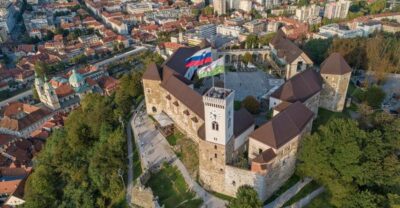 ★ 4.3Ljubljana: Castle Entry Ticket with Optional Funicular RideFrom $17718 reviews
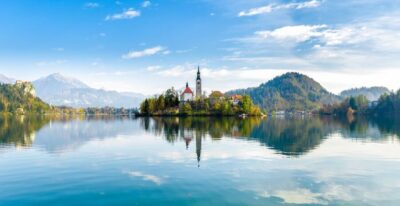 ★ 4.8From Ljubljana: Lake Bled & Postojna Cave with Entry TicketsFrom $173694 reviews
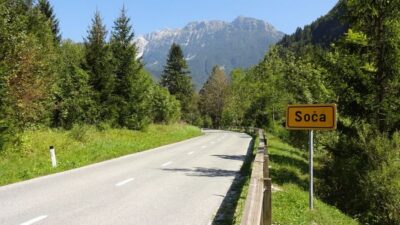 ★ 4.9From Ljubljana: Guided Day Tour to Soča and Kranjska GoraFrom $115584 reviews
 ★ 4.6Ljubljana: Guided Walk & Funicular Ride to Ljubljana CastleFrom $23576 reviews
 ★ 4.5House of Illusions Ljubljana Entrance TicketFrom $16556 reviews
 ★ 4.5Pub Crawl LjubljanaFrom $25536 reviews
Also filed under