
REVIEW · PIRAN & THE SLOVENIAN COAST
From Trieste: Piran and Slovenia Coast Tour
Piran feels like a postcard in motion. This half-day coast tour from Trieste strings together Piran and Adriatic views with a guide who helps you see what you’re looking at.
I love how the Tartini connection turns an old fishing town into something personal, thanks to guides such as Dean (and on other days, Erni or Ernie). You also get a proper local food and wine tasting, not just a quick stop.
One consideration: the day is tight. If you want longer museum time, extra stops in Izola, or quieter riding, the 6-hour pace may feel a bit short, and one traveler noted louder road noise when seated toward the back.
In This Review
- Key highlights in plain terms
- How the Trieste pickup sets up a smooth start
- Piran first: Tartini Square, bronze statues, and Venetian-style streets
- Church of Saint George: the best view moment you can plan for
- Tartini’s house and the violin detail that makes the story real
- Driving the Adriatic: Portorož, Izola, and Koper from the road
- Sečovlje salt pans: a coastal view that explains a working shoreline
- Wine and food tasting: local flavors with an Istrian story
- Price and value: what $110 covers in real terms
- Guide quality, pacing, and what to do about road noise
- Who this tour suits best, and who might want a different plan
- Should you book the Trieste to Piran and Slovenia Coast tour?
Key highlights in plain terms
- Piran on foot with time around Tartini Square, narrow lanes, and the Maritime Museum area
- Giuseppe Tartini focus, including his house and a violin display tied to his life
- Big view moment from the Church of Saint George over the coast
- Scenic drive through Portorož, Izola, and Koper, with constant sea-air scenery
- Sečovlje salt pans seen from a coastal vista, an easy way to understand Istria’s working coast
- Local tasting of food and wine, with a guide explaining traditions as you eat
Forty six kilometres of coast, and more of it here
- From Ljubljana: Škocjan UNESCO Caves and Piran Full-Day Trip★ 4.9 · 138 reviews
- From Trieste: Piran and Slovenia Coast Tour★ 4.8 · 116 reviews
- Piran: Walking Tour with Local Wine and Food Tasting★ 4.8 · 52 reviews
- Food & Wine -> Gourmet tour in Piran★ 5.0 · 25 reviews
How the Trieste pickup sets up a smooth start
This is a classic “half-day, no-fuss” setup. You’ll be picked up in Trieste either from a central meeting point in front of Hotel Savoia Excelsior Palace, right by Piazza Unità d’Italia, or from your cruise terminal if you’re arriving by ship. That matters because Trieste can be a maze of streets and timing. Having one clear pickup point helps you relax and get moving.
The tour runs about 6 hours, with an English-speaking driver-guide. It’s also set up for private or small groups, which usually means you get more real conversation and less waiting around. And yes, wheelchair accessibility is listed, so if mobility is a concern, this is worth comparing against other coastal day trips.
You’re going to spend time driving along the Adriatic, then switch gears to walking in Piran. That mix is part of the appeal. One half day feels like you get both the big-picture coastline and the intimate town details.
Piran first: Tartini Square, bronze statues, and Venetian-style streets
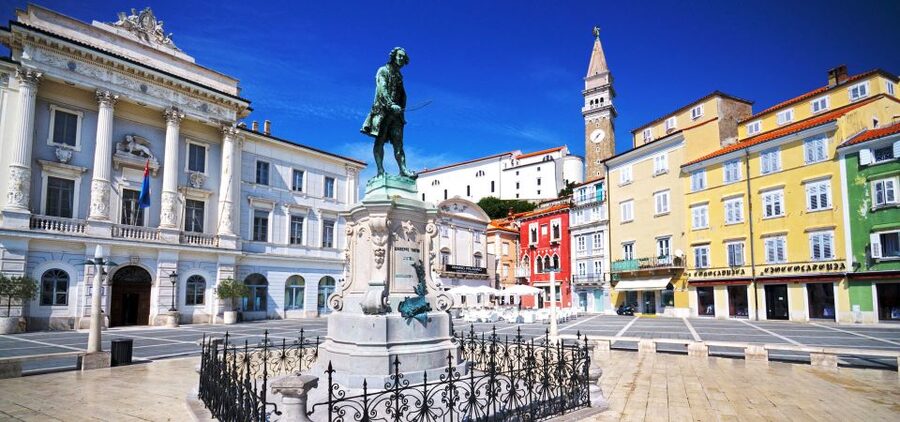
Piran is the headline, and the tour starts there for a reason. You arrive and head straight to Tartini Square, where you can spot the bronze statue of the famous composer and violinist Giuseppe Tartini. It’s a simple landmark, but it’s also a great way to set the mood fast. You’re not wandering randomly. You’re orienting yourself around a story tied to the town.
From the square, you’ll see the imposing buildings around it, including the Municipal Palace and the Maritime Museum area. This is where Piran’s Venetian-era feel clicks into place. Expect grand facades next to close, practical fishing-town streets.
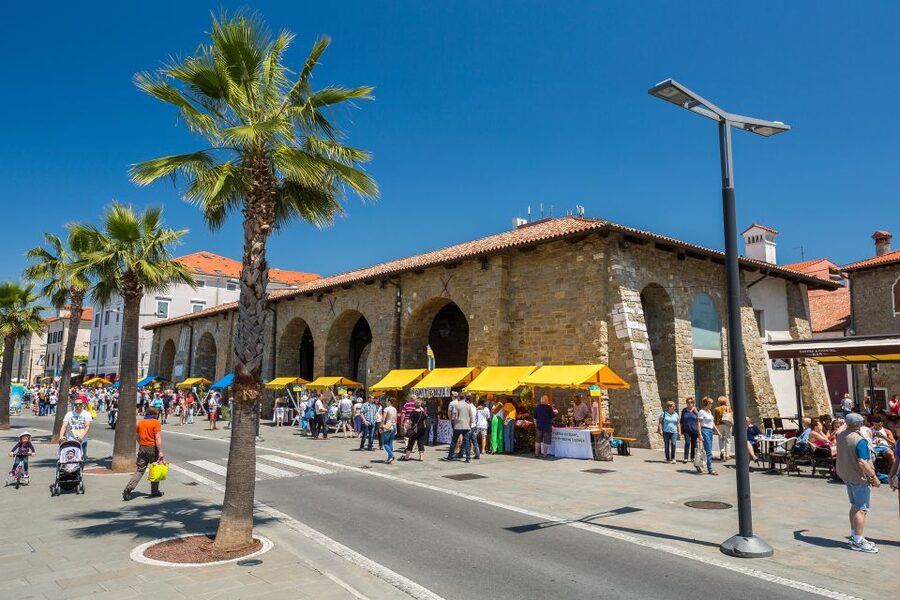
You’ll also get time to stroll the narrow lanes, lined with compact houses and fishing nets. The nets aren’t just decoration. They explain how this coast town made its living and why the streets feel the way they do: tight, steep-ish, and built to connect daily work to daily life.
The walking isn’t described as a hardcore hike. It’s more about good shoes for uneven old-town streets and keeping an eye on where you step.
Church of Saint George: the best view moment you can plan for
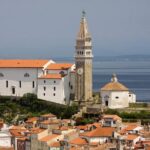
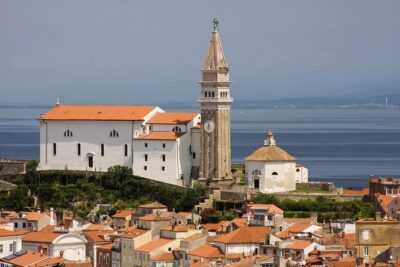
Piran rewards you for going upward, and the Church of Saint George is your payoff. During the tour, you’ll get panoramic views from this viewpoint. It’s one of those moments where you understand why people get sentimental about places like this.
From up there, the town’s shape and the coast line become clearer. You see how the narrow streets feed into the sea, and how the Adriatic works like a backdrop to everyday life. Even if you’re not a big church fan, treat the climb like a viewpoint stop. You’ll likely get photos and a feeling of orientation that makes your later wandering easier.
Practical tip: take your time on the way down. Old stone streets can be slick depending on weather, and you’ll want energy for Piran’s lanes and free moments after the guided portions.
Tartini’s house and the violin detail that makes the story real
The tour doesn’t keep the Tartini theme abstract. You also visit the house where Tartini lived and you can admire a violin tied to him. That hands-on detail is what turns a name into something you can picture.
Here’s why that matters for value. Many coast tours spend most of their time on scenery, then rush the “why it matters” part. This one uses Tartini as a guiding thread so you leave with more than photos of rooftops. You understand that Piran wasn’t just a picturesque stop. It produced people who mattered in European music circles.
Also, check the fine print on what’s included. Entrance fees for museum or aquarium-style stops are not included, so if the violin display or museum components you encounter require tickets on your day, you’ll want to budget for that separately. The tour does include the guide-led experience and time around the main landmarks, so you’re not left feeling lost without context.
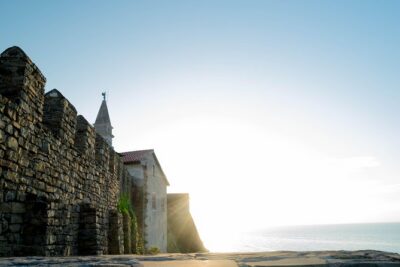
Driving the Adriatic: Portorož, Izola, and Koper from the road
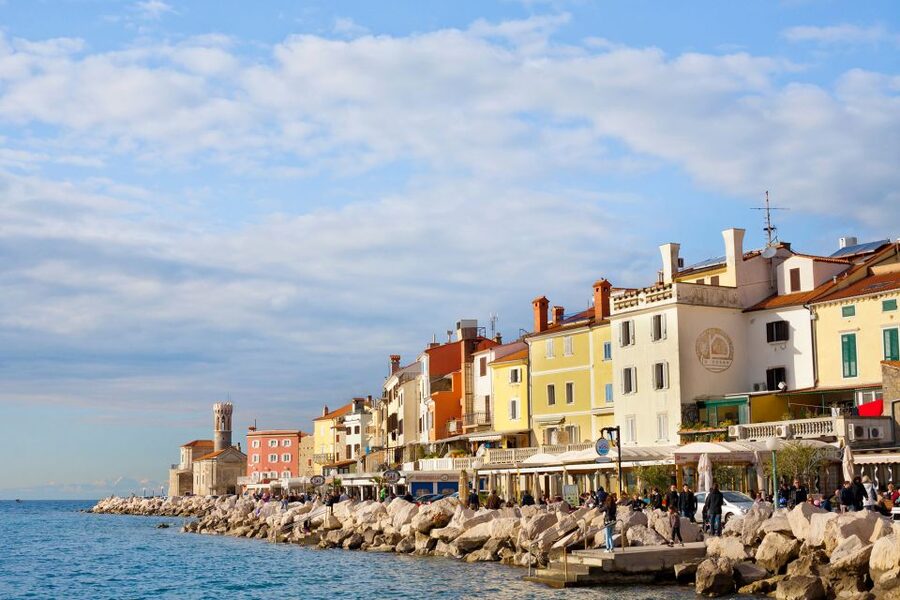
After Piran, the tour shifts from walking to panoramic driving. You’ll pass through and get views from Portorož, Izola, and Koper, with the guide pointing out highlights and traditions as you go.
This part is a good fit for a half-day format. Driving lets you see multiple towns without losing half the day on transit logistics. And because the coast here is so visually “busy” in a good way, the window time is productive, not wasted.
One small heads-up based on real experiences: Izola may be passed through rather than fully explored, depending on routing and timing. If you’re the type who wants to linger in one town and go deep, consider saving extra time for a separate visit later. This tour is designed more as a highlight reel plus one anchor town, Piran.
The driving segment also helps you understand the coast’s rhythm. These towns feel different but they share the same sea-facing DNA. By the time you reach the viewpoint areas later, you’ll have a better sense of how they connect.
Sečovlje salt pans: a coastal view that explains a working shoreline
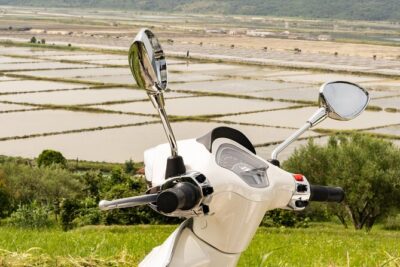
One of the most interesting stops on this route is a viewpoint connected to the natural salt pans of Sečovlje. You’re not asked to do a long detour or an all-day logistics puzzle. Instead, from a coastal vista, you can take in the salt pans as part of the coast’s economy.
Why salt pans matter: they are a reminder that this coastline isn’t only about scenery. It’s a working environment shaped by time, weather, and local know-how. Seeing them from the road or a viewpoint gives you context for why the coast towns grew where they did and how they used the land between sea and sky.
If you like “what makes this place function” as much as “what makes it pretty,” this stop is a nice balance. It also creates a change of pace right before your tasting segment.
Wine and food tasting: local flavors with an Istrian story
The tour includes a food and wine tasting, and that’s one of the most praised parts. The typical description includes locally sourced elements like bread, cheese, fish, prosciutto, and the wine pairing. In other words, you’re not just tasting a sip and moving on.
What I like about this format is the guide ties food to tradition while you’re eating. You get the sense of why these ingredients belong here, rather than treating it like a random snack stop. Multiple travelers specifically called out that the tasting was delicious and paired thoughtfully.
Timing matters. Because the tour is only 6 hours, the tasting needs to be efficient. Here, it’s positioned as a structured part of the experience, with the guide translating what you’re tasting into something you can remember later. If you’re a foodie, this is where the tour earns its keep.
A practical note: other drinks and anything outside what’s specified for tasting are not included. So if you like to linger with extra glasses, plan on paying separately.
Price and value: what $110 covers in real terms
At about $110 per person for roughly 6 hours, the value isn’t just in the drive. You’re paying for the mix of transportation, a driver-guide, a structured Piran walk, and the tasting.
Here’s the practical breakdown of what that includes:
- pickup and drop-off in Trieste (or cruise terminal pickup)
- a driver-guide
- the food and wine tasting
- insurance
What you don’t get baked in:
- entrance fees for any museum or aquarium elements
- extra food and drinks beyond the tasting
So is it worth it? For most people, yes, if you want one guided anchor town (Piran) plus a coast drive that hits multiple places. If you’re the type who needs long museum time or you dream about spending hours in each stop, you might feel the squeeze. One traveler even wished Piran had more time, and that’s the clearest “consideration” about the value equation.
My advice: treat it as a highlight-packed introduction to the Slovenian Istrian coast. If you love it, you’ll probably want a return trip to slow down.
Guide quality, pacing, and what to do about road noise
Guide performance is a huge part of why this tour scores so high. Names keep popping up: Dean is frequently described as friendly, funny, and genuinely enthusiastic about Slovenia. Erni or Ernie shows up on other departures with the same theme: local insight and stories that make the sights stick. There are also mentions of guides being easy to talk to, organized, and good at keeping the timing tight, including getting back to ships on schedule.
The pacing is also a selling point. Several notes call out the “perfect amount of time in Piran” and that it feels like a blend of guided time and space to explore on your own. That’s a smart balance. If you only walk with a guide, you can’t wander with your own pace. If you only wander alone, you miss the context that turns streets into meaning.
One caution from real experience: the road noise can be loud, especially if you’re seated far back. That’s not something you can eliminate, but you can reduce the problem. If you have a choice of seating, ask for a spot closer to the front where you might hear the guide better. And if you’re noise sensitive, it’s reasonable to plan for ear protection.
Who this tour suits best, and who might want a different plan
This tour is ideal if you want:
- Piran plus the coast drive in one half day
- guided storytelling around Giuseppe Tartini
- a structured tasting of local food and wine
- a small-group feel without planning every detail yourself
It’s especially good for first-timers coming from Trieste who want a confident introduction to Slovenia’s coastal side. If you already know Slovenia well and want deeper stops, you might feel you’re sampling rather than fully exploring.
It’s also a solid choice for travelers with mobility concerns because wheelchair accessibility is listed. Still, you’ll be walking old-town streets, so bring practical shoes and be ready for uneven surfaces.
If you hate tours that rush you from place to place, this one is closer to “guided highlights” than “tick every box.” The time in Piran is considered adequate by many people, but if you dream about a long, slow day in Piran with extra villages, you’ll need more than 6 hours.
Should you book the Trieste to Piran and Slovenia Coast tour?
I’d book this tour if you want a smart, efficient half-day overview that pairs old-town charm with coast views and a real tasting. The best reason is simple: the guide component seems to do more than recite facts. It turns the route into a story, with Giuseppe Tartini as the spine and Piran as the payoff.
Don’t book it if your top priority is long museum time, lots of stops in every town, or a quiet, slow ride with zero sensory noise. Also, if you’re sensitive to road noise, request a better seat when possible.
If you’re deciding between doing nothing or doing this, do this. It’s one of those days that can make Piran stick in your memory long after Trieste fades into the background.
More Slovenia Tours
Every Slovenia Tour We Have Reviewed
Further Along the Slovenian Coast

Recently added to our Slovenia write-ups
- From Koper: Piran and Panoramic Slovenian Coast Tour
★ 3.0 · 3 reviews - Lake Bled & Ljubljana Tour from Piran
★ 5.0 · 4 reviews - Piran: Postojna Cave and Predjama Castle
★ 4.4 · 5 reviews - Piran: e-bike Slovenia, bike rental
★ 5.0 · 5 reviews - Panoramic Piran and Salt Pans: E-Bike Boutique Tour
★ 5.0 · 7 reviews - Private Piran Walking Tour (tasting of local wine & products included)
★ 5.0 · 9 reviews
Piran & the Slovenian Coast, side by side.
 ★ 5.0Piran Walking Tour with Local Wine and Food TastingFrom $42297 reviews
 ★ 4.9Ljubljana: UNESCO-Listed Škocjan Caves and Piran Day TripFrom $111237 reviews
 ★ 4.5Skocjan Caves, Lipica & Piran: Karst & Coast Small-Group Day Trip from LjubljanaFrom $125234 reviews
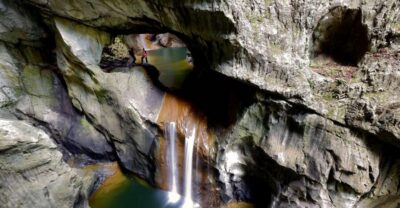 ★ 4.9From Ljubljana: Škocjan UNESCO Caves and Piran Full-Day TripFrom $101138 reviews
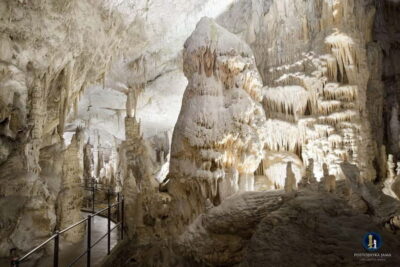 ★ 5.0From Ljubljana: Postojna Cave, Predjama Castle, & Piran TourFrom $124110 reviews
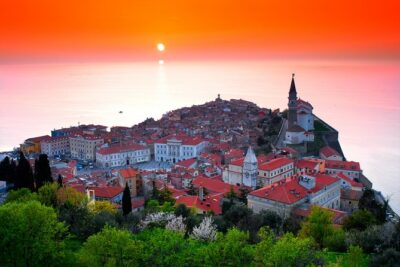 ★ 5.0Skocjan UNESCO Caves and Piran full day tour (small group, max. 8)From $130109 reviews
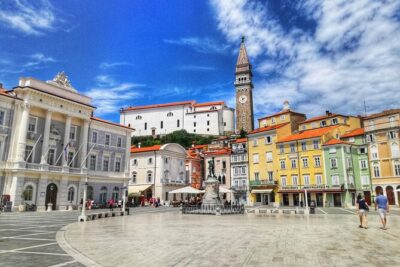 ★ 5.0Postojna cave, Predjama castle and Piran tour from LjubljanaFrom $13584 reviews
 ★ 4.7From Ljubljana: Lipica Stud Farm and Piran Full-Day TourFrom $11182 reviews
Also filed under